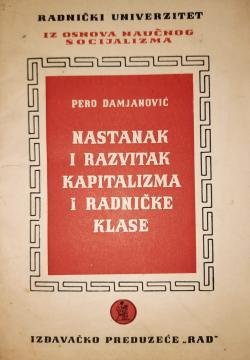
Nastanak i razvitak kapitalizma i radničke klase
One copy is available
- Traces of patina

One copy is available
Are you interested in another book? You can search the offer using our search engine or browse books by category.
The book by Raif Dizdarević, one of the last living actors of Yugoslav diplomacy, presents his reconstruction of the most fateful moment of post-war Yugoslavia – the split with Stalin and the Informburo in 1948–1953.
Amir Duranović's book reconstructs in detail the dramatic year 1966 and the Fourth (Brion) Session of the Central Committee of the Communist Party of Yugoslavia (July 1–2, 1966), at which Aleksandar Ranković, the long-time head of the UDB and vice preside
The autobiographical work of Croatian communist activist Vladimir Novak, a survivor of the Ustasha camps, follows his memories of resistance to fascism during World War II.
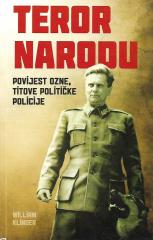
In the book, historian William Klinger investigates the origin and operation of OZNA - the brutal repressive apparatus of communist Yugoslavia, which monitored, imprisoned and liquidated political opponents.
In the book, Joan Solé shows the life, ideology and rise of Adolf Hitler. The book explores how a charismatic but fanatical leader shaped a totalitarian regime and plunged the world into one of the most tragic wars in history.
Josip Mihaljević's book analyzes the relationship between the government and the individual in communist Croatia (1958–1972), through repressive mechanisms, ideological pressures, and restrictions on personal freedom in the socialist system.