Istočnohrvatska (slavonska) makroregija
One copy is available
- Slight damage to the cover
- Staines on the pages

One copy is available
Are you interested in another book? You can search the offer using our search engine or browse books by category.
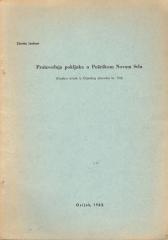
Zdenka Lechner, the first ethnologist at the Museum of Slavonia (1951–1965), made significant contributions to the study of the traditional culture of Slavonia, including the use of pokljuc – earthen lids for baking bread and pastries on the hearth.
A classic of local historiography, it depicts the history, geography and culture of the Požega Valley from prehistoric times to the modern era. The work describes the region's strategic position, the influences of the Romans, Ottomans and Habsburgs, with
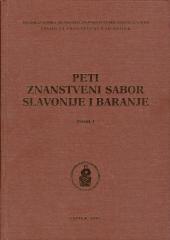
The Fifth Scientific Congress of Slavonia and Baranja, Vol. 1, brings together papers on Slavonia-Baranja history under Turkish rule, cultural and educational development, and literary, linguistic, and health heritage.
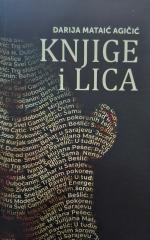
With her new book, Darija Mataić Agičić affirms and reaffirms a series of literary phenomena and books that are closely connected to Slavonski Brod, personalities who lived in Brod and who actually form a real, but insufficiently known and respected liter
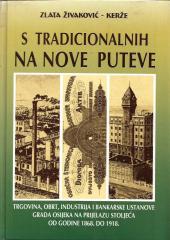
The book explores the economic development of Osijek after the Croatian-Hungarian Settlement until the end of World War I. Osijek, as an important center of Slavonia, experienced a significant economic boom thanks to its location on the Drava River and th
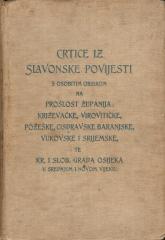
In his major work from 1910, Josip Bösendorfer provides an overview of Slavonian history with an emphasis on the past of the counties (Križevci, Virovitica, Požega, Baranja, Vukovo, Srijem) and the city of Osijek in the Middle Ages and the modern era.