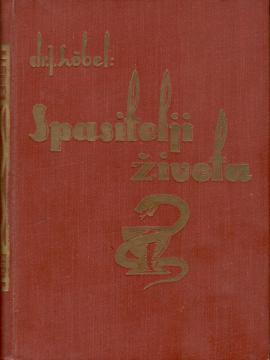
Spasitelji života: detektivski roman iz povijesti medicine
Lifesavers (1935) by Josef Löbel is a popular science work that, through suspenseful stories from the history of medicine, depicts doctors and scientists whose discoveries changed humanity.
The author presents the development of medical science in an accessible and narratively tense manner through the lives of doctors, researchers, and scientists who fought against diseases, epidemics, and medical misconceptions of their time. Instead of a classic history of medicine, Lobel builds a series of almost detective stories in which the search for the causes of diseases, the discovery of cures, and the confirmation of scientific discoveries are presented as intellectual adventures full of obstacles and uncertainties.
The special value of the book lies in the popularization of science. The author explains complex medical processes in understandable language and emphasizes the human dimension of scientific work – the perseverance, courage, and willingness of individuals to risk their reputations, careers, and even their own lives in order to advance medical knowledge. In this way, the book pays tribute to the pioneers of modern medicine, presenting them as real “saviors of life.”
Published in the period between the two world wars, when public health, bacteriology, and modern therapy were experiencing strong development, the book contributed to the popularization of medical science among a wide circle of readers. Today it represents an interesting example of popular science literature from the interwar period and a valuable document of the then-current interest in the history of medicine and scientific discoveries.
One copy is available
- The cover is missing