Seltene Bücher
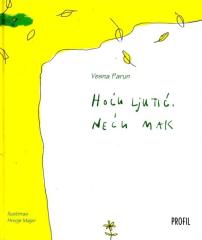
Hoću ljutić, neću mak
A classic of Croatian children's literature. A collection of poems for children by Vesna Parun, which through play, imagination and rhythm depicts children's world, nature and everyday experiences, encouraging curiosity, joy and love for language.
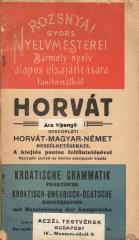
Horvát. Gyors nyelvmesterei / Kroatische Grammatik. Praktische kroatisch-ungarisch-deutsche Konversation mit Bezeichnung der Aussprache.
A multilingual language manual for practical learning of the Croatian language, with Croatian-Hungarian-German conversations and pronunciation notes. An interesting example for collections of old language literature and cultural and historical materials.
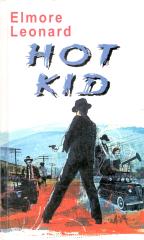
Hot Kid
Hot Kid, der „heiße Typ vom Sheriffbüro“, hat nie jemanden getötet – trotz der vielen Kugeln in seinem Revolver. Er hat keine Menschen getötet – er hat Verbrecher getötet.
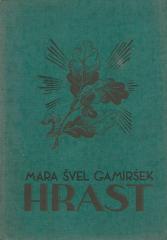
Hrast
Der politische Roman schildert die Zeit von 1915 bis zum Beginn des Zweiten Weltkriegs in der Region Šokac Posavina. Anhand der Schicksale einfacher Menschen und Familien werden historische Umbrüche, nationale Unruhen, Kriegsleid und die Verbundenheit des
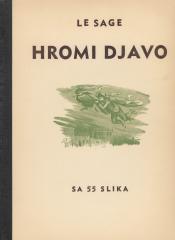
Hromi djavo
„Der lahme Teufel“ (1891) ist eine gekürzte und illustrierte Ausgabe von Alain-René Le Sages berühmtem Roman, bearbeitet für junge Leser. In einem fantastischen Abenteuer bietet sie eine satirische Darstellung menschlicher Schwächen und gesellschaftlicher
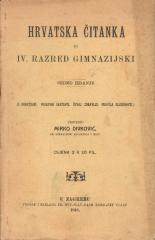
Hrvatska čitanka za IV. razred gimnazijski
Školska čitanka za učenike četvrtoga razreda gimnazije K. u k. monarhije donosi izbor književnih tekstova te dodatke o poslovnom dopisivanju, zdravlju i pravilima uljudnog ponašanja, razvijajući jezičnu i opću kulturu učenika.
Hrvatska čitanka za prvi i drugi razred viših trgovačkih škola
A textbook on the Croatian language (1910), compiled and edited by Dragutin Prohaska. An official publication of the Provincial Government for the needs of trade schools in Croatia and Slavonia, with literary texts, poetry and prose.
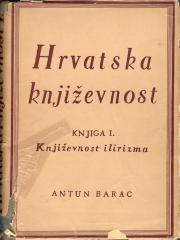
Hrvatska književnost od Preporoda do stvaranja Jugoslavije: Knjiga I. Književnost ilirizma
Der erste Teil von Barčs Geschichte der kroatischen Literatur bietet einen Überblick über die illyrische Bewegung, ihre Schriftsteller, Ideen und kulturelle Bedeutung in der Zeit von der nationalen Wiederbelebung bis zur Gründung des jugoslawischen Staate
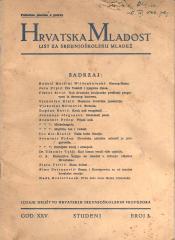
Hrvatska mladost — list za srednjoškolsku mladež, god. XXV, broj 3.
„Hrvatska mladost“ — list za srednjoškolsku mladež, god. XXV, broj 3., jedan od prvih brojeva izašlih u NDH, kada je glasilo postalo namijenjeno srednjoškolcima u okviru ustaške promidžbe i odgoja mladeži.
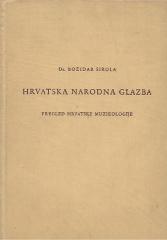
Hrvatska narodna glazba: Pregled hrvatske muzikologije
Božidar Širola u djelu Hrvatska narodna glazba daje pregled tradicijske glazbene baštine Hrvatske, njezinih regionalnih obilježja, napjeva, instrumenata i uloge narodne glazbe u oblikovanju hrvatskoga kulturnog identiteta.