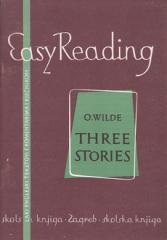
Sretni princ
A statue of the Happy Prince and a little swallow help the poor in the city. Through their joint selfless acts, they demonstrate the power of kindness, compassion, and sacrifice.
The Happy Prince is a famous fairy tale by the Irish writer Oscar Wilde that tells of kindness, compassion and selfless help to others. The story takes place in a city over which rises a magnificent statue of the Happy Prince, decorated with gold and precious stones.
During his life, the prince lived in luxury and did not know the suffering of his subjects. After his death, his statue looks down on the city from above and for the first time notices the poverty, hunger and injustice that affects many people. Deeply moved by the scenes of human misery, he wants to help those who suffer.
In this, he is helped by a little swallow that, instead of going to warmer climes, stays in the city. At the prince's request, he takes jewels and gold leaves from his statue to the poor, sick and needy. While helping others, the prince gradually loses his shine, and the swallow exhausts its last strength.
Through a simple yet moving story, Wilde shows that true worth lies not in wealth and outward appearance, but in kindness and willingness to sacrifice for others. The work emphasizes the importance of compassion for people living in difficult conditions and encourages the reader to reflect on social inequality.
The Happy Prince is one of Wilde's most famous works for children. Due to its powerful message, emotional plot, and universal values, the fairy tale still leaves a strong impression on readers of all ages.
One copy is available