Jazbina II.
Émile Zola’s naturalistic novel *The Pit* (L’Assommoir) follows the tragic downfall of the Parisian laundress Gervaise Macquart, exposing the devastating impact of poverty, alcoholism, and harsh social conditions on the working class.
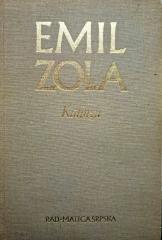
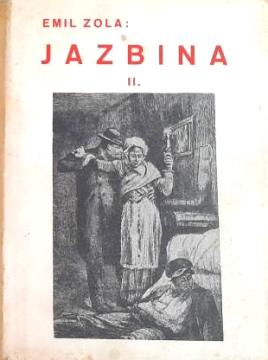
Jazbina (originally L'Assommoir—as titled in the 1940 Croatian edition) is one of the most renowned novels by the great French naturalist Émile Zola and a pivotal installment in his celebrated Rougon-Macquart cycle. Set in the impoverished working-class districts of Paris during the second half of the nineteenth century, the story centers on Gervaise Macquart, a hardworking and modest laundress who dreams of a quiet, honest life, owning her own shop, and securing a future for her children. After being abandoned by her unfaithful lover, Lantier, Gervaise marries a diligent roofer named Coupeau and briefly realizes her dream. However, an unfortunate fall from a roof triggers a downward spiral of moral and physical decay: the injured Coupeau turns to drink at the notorious tavern known as "The Den" (Jazbina), while alcohol, destitution, and societal indifference gradually drag Gervaise herself to rock bottom. With uncompromising documentary precision and profound empathy, Zola depicts the daily lives of the working class, the slang of the Parisian streets, and the desperate struggle of the individual against the forces of heredity and environment. The 1940 Croatian edition presents this masterpiece of world realism and naturalism as a poignant study of human frailty and social injustice.
One copy is available
- The cover is missing