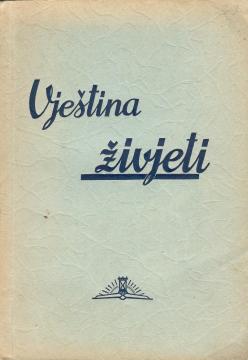
Vještina živjeti
A practical and humanistic manual on the art of living in which Maurice Tieche, through advice and reflections, discusses health, work, love, upbringing, will, happiness, and the meaning of life.
Maurice Tièche in The Art of Living offers a readable, practical handbook of popular psychology that transforms everyday topics into learnable skills. The book is divided into short chapters that can be read independently, and together they form a whole life pedagogy.
Through a series of short chapters, Tieche considers everyday life topics such as maintaining health, the importance of a cheerful mood, the influence of thoughts on life, honesty, patience, work, rest, money, love, marriage, raising children, educating the will, suffering and death. The author does not act as a strict moralist, but as a life advisor who seeks to connect practical experience with humanistic values and common sense.
Written in a clear and accessible style, the work combines elements of psychology, pedagogy and everyday philosophy. Special emphasis is placed on personal responsibility, self-discipline and character building as prerequisites for a happy and meaningful life.
In the period immediately after World War II, the book represented an impetus for the renewal of personal optimism and trust in human values. Today it is interesting as an example of interwar and postwar European literature on self-improvement and as a testament to the enduring human need to find a balance between work, family, society, and personal happiness.
One copy is available
- Traces of patina