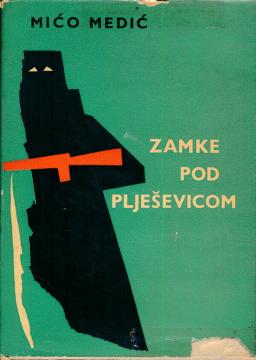
Zamke pod Plješevicom
One copy is available
- Damaged book cover

One copy is available
Are you interested in another book? You can search the offer using our search engine or browse books by category.
The monograph "Baranja 1941–1945" is the first systematic study of the history of Baranja during World War II. A detailed account of the Hungarian occupation, terror, resistance and liberation of this area.
The book analyzes how conflicting historical narratives about the suffering and mass emigration of Italians from Istria and Rijeka developed in Croatia and Italy after World War II (1943–1956), debunking myths and encouraging an empathetic approach to the
An overview of the history and position of Italian women from antiquity to Mussolini's fascist Italy, with an emphasis on their contribution to society and culture. A popular educational publication from the period of the Independent State of Croatia, wit
Hitler's book combines autobiography and political manifesto, laying the foundations of Nazi ideology. The work has been banned in many countries for promoting hatred, but it remains a historical document that reveals the origins of Nazi crimes.
The autobiographical work of Croatian communist activist Vladimir Novak, a survivor of the Ustasha camps, follows his memories of resistance to fascism during World War II.
The generation to which Konstantinović belonged managed to reach an agreement and, had it not been for the Second World War, was on the threshold of establishing liberal democracy in Yugoslavia, whose supporter Konstantinović was.