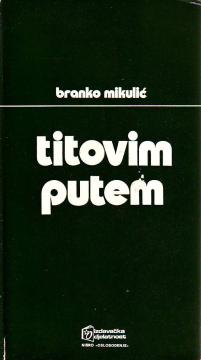
Titovim putem
Editor
Miroslav Prstojević
Dimensions
22 x 14 cm
Pages
252
Publisher
NIŠRO Oslobođenje, Sarajevo, 1979.
Latin alphabet. Paperback.
Language: Croatian.
One copy is available
Condition:Used, excellent condition
Added to cart!
One copy is available
Are you interested in another book? You can search the offer using our search engine or browse books by category.
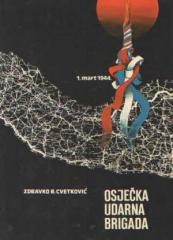
Knjiga je jedna u nizu monografija Jedinica NOV i PO Jugoslavije, koje su izašle, uglavnom, u izadnju Vojnoizdavačkog zavoda u Beogradu.
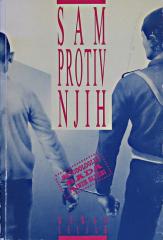
Nefikcijsko delo slovenačkog istražitelja arhiva UDB-e. Autor, bivši službenik KOS-a, napustio je vojsku nakon što je saznao za zločine jugoslovenske vojske tokom rata i posleratnog perioda i posvetio se razotkrivanju tajnih službi.
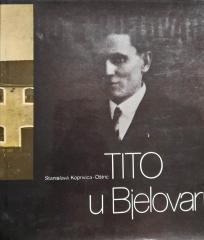
Rad na monografiji "Tito u Bjelovaru" započet je u proljeće 1977 - u godini partijskih i životnih jubileja Josipa Broza Tita - s ciljem da se prikaže život i revolucionarna djelatnost Josipa Broza u bjelovarskom kraju.