Latinska Amerika : nerazvijenost i revolucija
One copy is available

One copy is available
Are you interested in another book? You can search the offer using our search engine or browse books by category.
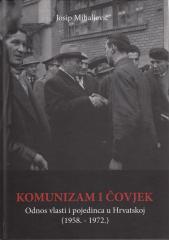
Josip Mihaljević's book analyzes the relationship between the government and the individual in communist Croatia (1958–1972), through repressive mechanisms, ideological pressures, and restrictions on personal freedom in the socialist system.
A non-fiction work by a Slovenian investigator of the UDB archives. The author, a former KOS employee, left the army after learning about the crimes of the Yugoslav army during the war and the post-war period, and dedicated himself to exposing the secret
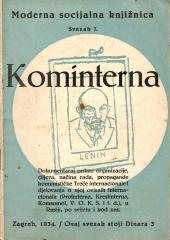
Comintern (1934) depicts the emergence, organization, and activities of the Communist International and warns of its revolutionary goals and international influence from the perspective of Catholic social thought.
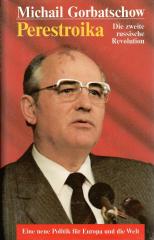
In the book, Mikhail Gorbachev explains perestroika as the second Russian revolution – a reform of Soviet society, economy and international politics. He advocates openness (glasnost), democracy and new cooperation with the West.
A sequel to his memoir 7000 Days in Siberia, in which he describes his twenty-year imprisonment in Soviet gulags. The book delves into his experiences in the camps, providing additional insights into Steiner's life and reflections on communist ideals.
The book analyzes the escape of Nazi war criminals after 1945 and the long and uneven attempt to find and prosecute them, while debunking myths about the organized escape.