Rare books
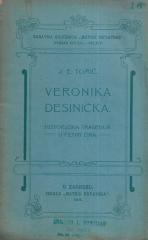
Veronika Desinićka
"Veronika of Desinić" by Josip Eugen Tomić, a historical tragedy in four acts, a drama about the tragic fate of Veronika of Desinić, the mistress and wife of Count Friedrich of Celje, accused of witchcraft and killed in 1425.
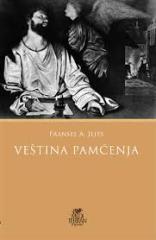
Veština pamćenja
The Art of Memory (1966), one of the most significant works of intellectual history, explores the history of mnemonics from ancient Greece and Rome, through the Middle Ages and the Renaissance, to its influence on the science and culture of Europe.
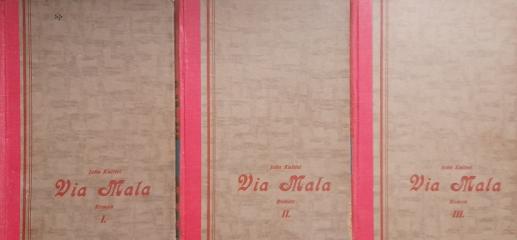
Via Mala
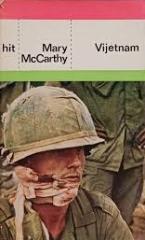
Vijetnam
Vietnam features Mary McCarthy's travelogues of war-torn Vietnam. The author critically portrays the war, political propaganda, and the dire consequences of the conflict for the civilian population.
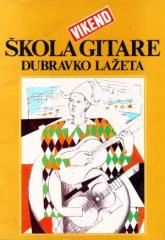
Vikend škola gitare
Do you want to learn to play the guitar? No problem! We have the ideal textbook for you on how to become a professional musician. Everything you need to know to start your musical adventure is inside this book. And the gig can begin.
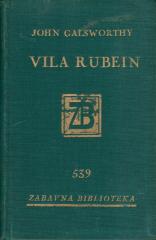
Vila Rubein: roman iz tirolskog života
Villa Rubein (1900) is an early novel by John Galsworthy. It depicts the love between a young Englishwoman, Christian, and a poor Austrian painter in Tyrol, and the conflict between artistic ideals and civic conventions.
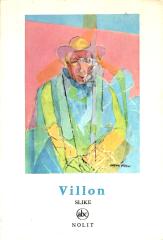
Villon: Slike
"Villon: Paintings" by Raymond Cogniat is a small monograph in the "Little Art Encyclopedia" series (No. 56). It presents the painting of the French Cubist Jacques Villon with an introduction and color reproductions.
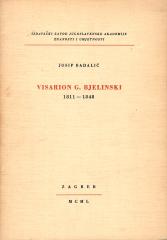
Visarion G. Bjelinski (1811.–1848.)
A scholarly study by Josip Badalić on the life, work, and literary critical thought of Visarion G. Bjelinski, one of the most influential Russian literary critics of the 19th century.
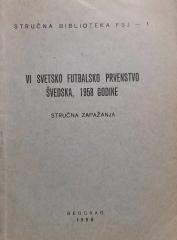
VI svetsko futbalsko prvenstvo Švedska, 1958 godine : stručna zapažanja
Expert analysis of the World Cup in Sweden, where Pele led Brazil to the championship, and Yugoslavia ended the competition in the quarterfinals.
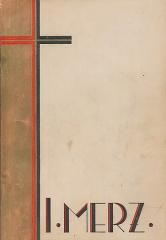
Vitez Kristov dr. Ivan Merz
The biography of Blessed Ivan Merz was written by his spiritual leader and confessor Father Josip Vrbanek, a Jesuit, who accompanied Blessed Ivan on his ascent to holiness in the last period of his life, from 1922 until his death in 1928.