Retke knjige
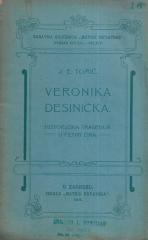
Veronika Desinićka
„Veronika Desinićka“ Josipa Eugena Tomića, istorijska tragedija u četiri čina, drama o tragičnoj sudbini Veronike Desinićke, ljubavnice i žene grofa Fridriha Celjskog, optužene za vračanje i ubijene 1425. godine.
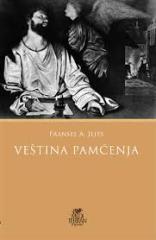
Veština pamćenja
„Umetnost pamćenja“ (1966), jedno od najznačajnijih dela intelektualne istorije, istražuje istoriju mnemotehnike od antičke Grčke i Rima, preko srednjeg veka i renesanse, do njenog uticaja na nauku i kulturu Evrope.
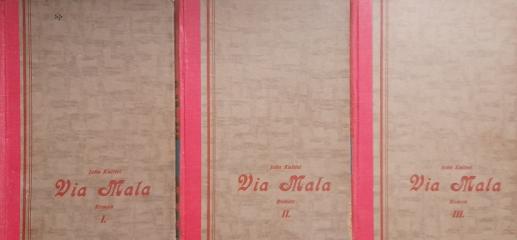
Via Mala
Radnja romana Via Mala smještena je u autorovu voljenu Švicarsku 30-tih godina prošlog stoljeća. Romani Johna Knittela bili su omiljeno štivo građanstva u Hrvatskoj između dva svjetska rata.
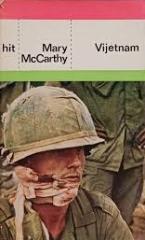
Vijetnam
Vijetnam sadrži putopise Meri Makarti o ratom razorenom Vijetnamu. Autorka kritički prikazuje rat, političku propagandu i strašne posledice sukoba po civilno stanovništvo.
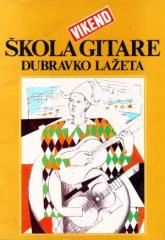
Vikend škola gitare
Da li želite da naučite da svirate gitaru? Ali problem! Imamo idealan udžbenik za vas kako da postanete profesionalni muzičar. Sve što treba da znate da biste započeli svoju muzičku avanturu nalazi se u ovoj knjizi. I svirka može da počne.
Vila Rubein: roman iz tirolskog života
Vila Rubajn (1900) je rani roman Džona Golsvordija. Prikazuje ljubav između mlade Engleskinje, hrišćanke, i siromašnog austrijskog slikara u Tirolu, kao i sukob između umetničkih ideala i građanskih konvencija.
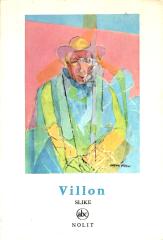
Villon: Slike
„Vijon: Slike“ Rejmona Konjaja je mala monografija u seriji „Mala umetnička enciklopedija“ (br. 56). Predstavlja slikarstvo francuskog kubiste Žaka Vijona sa uvodom i reprodukcijama u boji.
Visarion G. Bjelinski (1811.–1848.)
Naučna studija Josipa Badalića o životu, delu i književnoj kritici Visariona G. Bjelinskog, jednog od najuticajnijih ruskih književnih kritičara 19. veka.
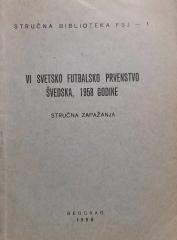
VI svetsko futbalsko prvenstvo Švedska, 1958 godine : stručna zapažanja
Stručna analiza Svetskog prvenstva u Švedskoj, gde je Pele predvodio Brazil do šampionata, a Jugoslavija je takmičenje završila u četvrtfinalu.
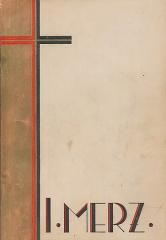
Vitez Kristov dr. Ivan Merz
Biografiju blaženog Ivana Merca napisao je njegov duhovnik i ispovednik otac Josip Vrbanek, jezuita, koji je pratio blaženog Ivana na njegovom usponu na svetost u poslednjem periodu njegovog života, od 1922. godine do njegove smrti 1928. godine.