Retke knjige
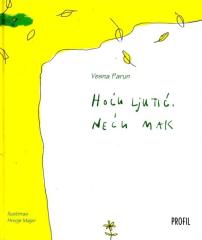
Hoću ljutić, neću mak
A classic of Croatian children's literature. A collection of poems for children by Vesna Parun, which through play, imagination and rhythm depicts children's world, nature and everyday experiences, encouraging curiosity, joy and love for language.
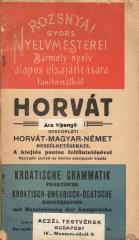
Horvát. Gyors nyelvmesterei / Kroatische Grammatik. Praktische kroatisch-ungarisch-deutsche Konversation mit Bezeichnung der Aussprache.
A multilingual language manual for practical learning of the Croatian language, with Croatian-Hungarian-German conversations and pronunciation notes. An interesting example for collections of old language literature and cultural and historical materials.
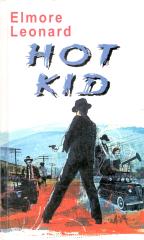
Hot Kid
Hot Kid, the “hot guy of the Sheriff's Department,” never killed anyone – despite the number of bullets on his revolver. He didn't kill people – he killed criminals.
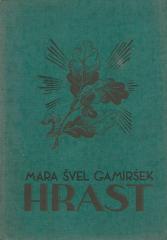
Hrast
A political novel, it covers the period from 1915 to the beginning of World War II in the Šokac Posavina region. Through the fates of ordinary people and families, it depicts historical ruptures, national turmoil, war suffering, and the connection between
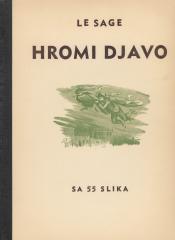
Hromi djavo
The Lame Devil (1891) is an abridged and illustrated edition of Alain-René Le Sage's famous novel, adapted for young people. Through a fantastic adventure, it offers a satirical portrayal of human flaws and social conditions.
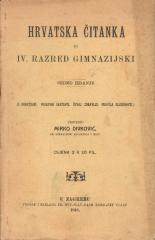
Hrvatska čitanka za IV. razred gimnazijski
The school textbook for fourth-grade students of the K. in K. Monarchy Gymnasium brings a selection of literary texts and supplements on business correspondence, health, and rules of polite behavior, developing the students' linguistic and general culture
Hrvatska čitanka za prvi i drugi razred viših trgovačkih škola
A textbook on the Croatian language (1910), compiled and edited by Dragutin Prohaska. An official publication of the Provincial Government for the needs of trade schools in Croatia and Slavonia, with literary texts, poetry and prose.
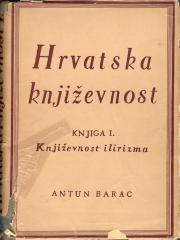
Hrvatska književnost od Preporoda do stvaranja Jugoslavije: Knjiga I. Književnost ilirizma
The first part of Barč's history of Croatian literature provides an overview of the Illyrian movement, its writers, ideas and cultural significance in the period from the national revival to the creation of the Yugoslav state.
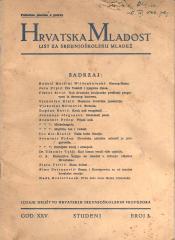
Hrvatska mladost — list za srednjoškolsku mladež, god. XXV, broj 3.
"Hrvatska mladost" — a magazine for high school youth, year XXV, issue 3, one of the first issues published in the Independent State of Croatia, when the magazine became intended for high school students as part of Ustasha propaganda and youth education.
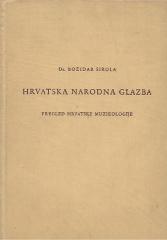
Hrvatska narodna glazba: Pregled hrvatske muzikologije
In his work Croatian Folk Music, Božidar Širola provides an overview of the traditional musical heritage of Croatia, its regional characteristics, tunes, instruments, and the role of folk music in shaping Croatian cultural identity.