Miodrag Bulatović
Naslovi u ponudi
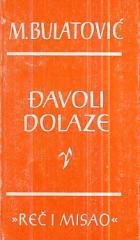
Đavoli dolaze
U romanu Đavoli dolaze Miodraga Bulatovića, groteska i fantazmagorija susreću se s realnošću balkanskog sela. Autor kroz simboliku, ironiju i crni humor prikazuje moralni raspad, ludilo i zlo koje se rađa među ljudima, a ne izvan njih.
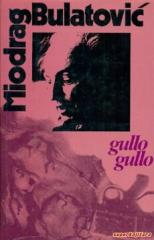
Gullo Gullo
Gullo Gullo roman je groteskne snage o moralnom i duhovnom rasulu ljudskog bića. U svijetu nasilja, straha i apsurda glavni lik luta između života i smrti, dobra i zla, u potrazi za smislom u tragično izopačenoj stvarnosti.
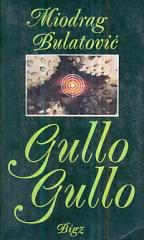
Gullo Gullo
Kao i u romanima Ljudi s četiri prsta i Peti prst, Miodrag Bulatović je i u ovoj knjizi opsjednut monstruoznom tragedijom emigranata, ljudi izvan svih svjetova, odnosno ljudi iskorijenjenih od naroda, porijekla, imena i života.
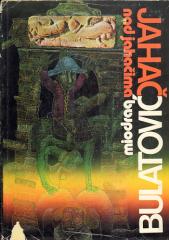
Jahač nad jahačima
Ein Roman über das Absurde, die Macht und den Untergang eines Mannes, der von Größenwahn besessen ist. In einer symbolischen, grotesken Welt enthüllt der Autor die Grausamkeit von Macht und Wahnsinn, in der Ehrgeiz und Angst die Grenze zwischen Mensch und
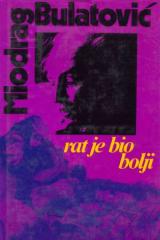
Rat je bio bolji
Zamišljen i ostvaren kao posebna cјelina, ovaj se roman može tumačiti i kao drugi dio knjige "Heroj na magarcu". U većoj mjeri nego u "Heroju", ovdje je rat "koji je bio bolji" prikazan kao giganska burleska i kao lokva demonskih strasti.
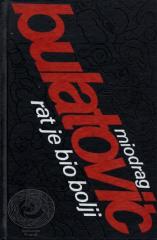
Sabrana dela V: Rat je bio bolji
Zamišljen i ostvaren kao posebna cјelina, ovaj se roman može tumačiti i kao drugi dio knjige "Heroj na magarcu". U većoj mjeri nego u "Heroju", ovdje je rat "koji je bio bolji" prikazan kao giganska burleska i kao lokva demonskih strasti.