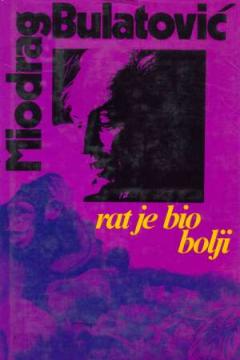
Rat je bio bolji
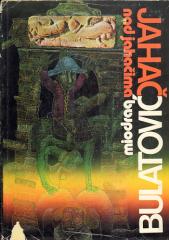
Zamišljen i ostvaren kao posebna cјelina, ovaj se roman može tumačiti i kao drugi dio knjige "Heroj na magarcu". U većoj mjeri nego u "Heroju", ovdje je rat "koji je bio bolji" prikazan kao giganska burleska i kao lokva demonskih strasti.
Roman Rat je bio bolji (objavljen 1977.) jedno je od najznačajnijih ranih djela Miodraga Bulatovića, kojim je ušao u vrh modernističke proze jugoslavenske književnosti. Djelo prikazuje apsurd i moralni paradoks vremena nakon rata — trenutka kad prestaje oružana borba, ali počinje duševno razaranje.
Radnja se odvija u poslijeratnom crnogorskom i balkanskom ambijentu, punom ratnih veterana, poraženih junaka i ljudi koji ne mogu pronaći svoj mir. Kroz groteskne slike i sarkastičan ton, Bulatović prikazuje likove koji, preživjevši rat, u miru gube smisao postojanja. Rat je bio strašan, ali barem je davao iluziju cilja i identiteta; mir, naprotiv, stvara otuđenje, licemjerje i unutarnju prazninu.
Autor koristi prepoznatljive elemente svog stila — spoj brutalnog realizma, fantastičnih vizija i crnog humora. Likovi su karikature i simboli jednog izgubljenog naraštaja, dok su događaji nabijeni ironijom: oni koji su se borili za ideale sada postaju taoci pohlepe i besmisla svakodnevice.
Bulatović time stvara snažnu parabolu o čovjeku koji više ne zna živjeti bez sukoba, jer mir razotkriva istinsko ništavilo. Rat je bio bolji nije samo komentar na ratno iskustvo, nego i filozofski prikaz trajne ljudske sklonosti prema destrukciji i samoponištenju. Roman je prepoznat kao jedno od najvažnijih antiratnih djela južnoslavenske književnosti.
Jedan primjerak je u ponudi
- Žig knjižnice