Mihail Šolohov
Naslovi u ponudi
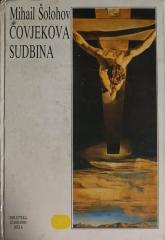
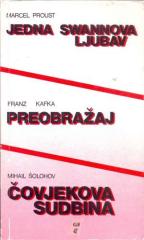
Jedna Swannova ljubav / Preobražaj / Čovjekova sudbina
Ovako ponuđen izbor naslova odabrane srednjoškolske lektire trostruk je po svom tematskom fokusu, što se kod Prusta vidi u starom svetu, kod Šolohova u novom životu, a kod Kafke u nepouzdanom znaku čoveka.
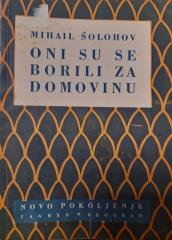
Oni su se borili za domovinu
Der Roman begleitet eine Gruppe sowjetischer Soldaten während ihres Rückzugs im Jahr 1942. Durch ihre Kämpfe, Ängste, ihren Humor und ihren Zusammenhalt schildert Scholochow die Realität des Krieges, die menschliche Ausdauer und die moralische Stärke trot
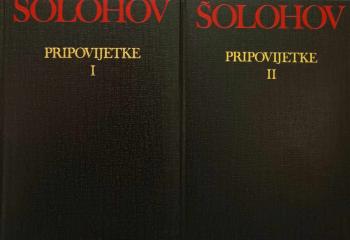
Pripovijetke 1-2
The two-volume "Tales I–II" by Mikhail Sholokhov encompasses the early and mature phases of his work, providing a broad and layered insight into the life of the Don Cossacks at the beginning of the 20th century.
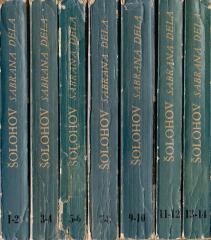
Šolohov: Sabrana dela 1-14
The pocket edition of the Collected Works of Mikhail Sholokhov in seven volumes brings the capital epic achievements of Soviet literature, following the dramatic destinies of the Don Cossacks and the Russian countryside.

Tihi Don
An epic novel about the life of the Don Cossacks on the eve of and during World War I, the October Revolution, and the Civil War. A powerful story about love, war, revolution, and the fate of an individual in the whirlwind of history. Abridged popular edi

Tihi Don : četvrta knjiga
An epic novel about the life of the Don Cossacks on the eve of and during World War I, the October Revolution, and the Civil War. A powerful story about love, war, revolution, and the fate of an individual in the whirlwind of history. Abridged popular edi
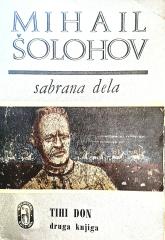
Tihi Don : druga knjiga
An epic novel about the life of the Don Cossacks on the eve of and during World War I, the October Revolution, and the Civil War. A powerful story about love, war, revolution, and the fate of an individual in the whirlwind of history. Abridged popular edi
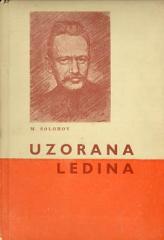
Uzorana ledina 1-2
The novel is set in a Cossack community on the Don River during collectivization in the Soviet Union. The work, divided into two parts, follows the dramatic changes in the village of Gremyachi Log as the Bolsheviks introduce collective farms, which provok