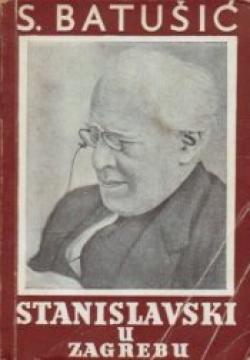
Stanislavski u Zagrebu - sjećanja, svjedočanstva, dokumenti
„Stanislavski u Zagrebu“ Slavka Batušića je zbirka dragocene građe o poseti Konstantina Stanislavskog Zagrebu 1922. godine. Danas, retko antikvarno blago, podseća nas na zaboravljene trenutke slave u hrvatskom pozorištu.
Batušić (1910–1990), hrvatski teatrolog, kritičar i istoričar pozorišta, autor brojnih dela na domaćoj i međunarodnoj sceni (npr. „Istorija hrvatskog pozorišta“), ovde rekonstruiše ključni trenutak za hrvatsku glumu: gostovanje Moskovskog hudožestvenog pozorišta (MUT) pod vođstvom Stanislavskog i Nemiroviča-Dančenka.
Knjiga sadrži sećanja savremenika – glumaca, reditelja i kritičara – poput Mira Adžije, Marije Babić i Stjepana Krizina, kao i dokumente: pisma, ugovore, programske beleške i kritike. MUT je nastupao od 12. do 18. septembra u Hrvatskom narodnom pozorištu sa repertoarom „Car Fjodor Joanoviča“ A. K. Tolstoja, „Višnjik“ Čehova, „Tri sestre“ Čehova i „Na dnu“ Gorkog, i oduševio publiku dubinom psihološke istine i izvođenja, uvodeći Stanislavskog sistem („emocionalno pamćenje“, „metod fizičkih radnji“) u hrvatski kontekst. Batušić ističe da je poseta, uprkos neuspešnim pregovorima sa Beogradom (gde je ponuda Jugoslovenskog narodnog pozorišta dovela do njenog otkazivanja), postala simbol kulturne razmene: Stanislavski je vodio radionice, savetovao lokalne glumce i isticao važnost kolektiva u odnosu na istaknutost pojedinačnih zvezda.
U posleratnom kontekstu, knjiga ističe uticaj na razvoj socijalističke realističke estetike u Jugoslaviji: Stanislavskijeva disciplina, jednakost uloga i posvećenost zadatku postaju osnova za novo hrvatsko pozorište, kritikujući predratnu površnost. Citat iz memoara: „Stanislavski nas je naučio da gledamo u sebe, ne samo u publiku.“ Dokumenti otkrivaju logističke izazove – putovanje preko Beča, finansijske sporove – ali i entuzijazam: pune sale, kritike u „Jutarnjem listu“ koje hvale „rusku dubinu“.
Kao pionirsko delo, knjiga je uticala na kasnije studije (npr. „Istorija hrvatskog pozorišta“ Nikole Batušića), podsećajući na Stanislavskog kao most između evropskog modernizma i jugoslovenske scene. U eri ideoloških promena, Batušićeva zbirka nije samo arhiva, već manifest o pozorištu kao oruđu za duhovni rast: „Pozorište je ogledalo duše naroda, a Stanislavski je njen najsvetliji odraz.“
Dva primerka su u ponudi