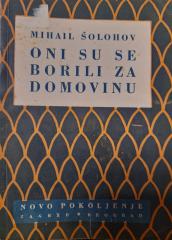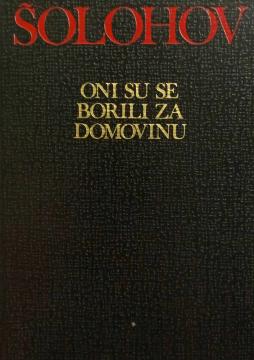
Oni su se borili za domovinu
Roman prati grupu sovjetskih vojnika tokom njihovog povlačenja 1942. godine. Kroz njihove borbe, strah, humor i zajedništvo, Šolohov prikazuje stvarnost rata, ljudsku izdržljivost i moralnu snagu uprkos porazu.
Radnja romana Mihaila Šolohova „Borili su se za otadžbinu“ smeštena je u leto 1942. godine, dok se Crvena armija povlači pod nemačkim pritiskom na jugozapadnom frontu. Umesto herojskih mitova, Šolohov se fokusira na grupu običnih vojnika koji, iscrpljeni i rastrgani napetošću, pokušavaju da sačuvaju svoje ljudsko dostojanstvo. Roman prepliće teške ratne scene sa trenucima topline, zajedništva i grubog humora, čineći likove uverljivim i lako razumljivim.
Autor vešto prikazuje psihologiju vojnika: strah od napada, tihu tugu zbog gubitaka, nadu koja povremeno bljesne i brzo bledi, i tvrdoglavu odlučnost da se brane čak i kada izgledaju beznadežno. Stepski pejzaž, prašnjavi putevi i spaljena sela stvaraju atmosferu iscrpljenosti, ali i lepote koja nas podseća na ono što se brani.
Šolohov naglašava da snaga vojske leži u međuljudskim odnosima: vojnici ostaju ujedinjeni zahvaljujući bratskoj solidarnosti i osećaju odgovornosti prema domovini. Iako roman ne idealizuje rat, prožet je dubokim poštovanjem prema žrtvi i izdržljivosti naroda. Delo je jedan od najvažnijih sovjetskih antiratnih romana, istovremeno realističan i emotivan prikaz borbe za opstanak u najsurovijim uslovima.
Dva primerka su u ponudi