Književnost

Romansa u New Yorku
Franni Doile ima užasan dan. Prvo je dobila otkaz, onda su joj vrata metroa pocepala omiljenu haljinu i pola Menhetna je videlo njenu zadnjicu. Posramljeno, u pomoć joj je pritekao šarmantni stranac sa svojom skupocenom jaknom...
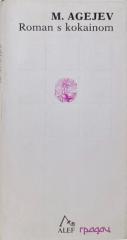
Roman s kokainom
Roman sa kokainom je psihološki roman u kome narator Vadim Maslenikov predstavlja svoj „slučaj” moralnog i fizičkog propadanja tokom burnih godina ruske istorije. Mihail Agejev je pseudonim Marka Levija.
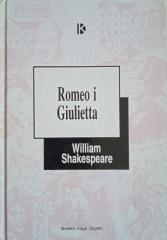
Romeo i Giulietta
Najraniju od slavnih tragedija Romeo i Julija engleskoga dramatičara i pjesnika Williama Shakespearea donosimo u prijevodu Josipa Torbarine.
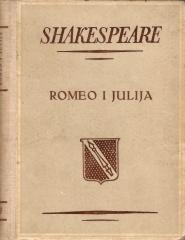
Romeo i Julija
Tragedija Romeo i Julija jedno je od najpoznatijih dela poznatog engleskog pisca Vilijama Šekspira i jedna od najpoznatijih ljubavnih tragedija uopšte.
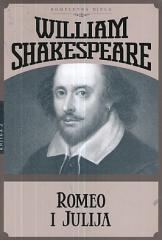
Romeo i Julija
Tragedija Romeo i Julija jedno je od najpoznatijih dela poznatog engleskog pisca Vilijama Šekspira i jedna od najpoznatijih ljubavnih tragedija uopšte.
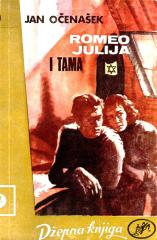
Romeo, Julija i tama
U okupiranom Pragu 1942. godine, student Pavel skriva ranjenu Jevrejku Hanu. U opasnosti i strahu, između njih se rađa snažna ljubav. Gestapo ih otkriva, Pavel umire mučen tokom istrage, a Hana preživljava Holokaust noseći uspomenu na njihovu tragičnu ro
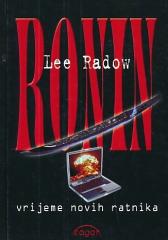
Ronin – vrijeme novih ratnika
Još jedan akcioni roman autora koji piše pod pseudonimom Li Radou. Roman se odvija u poslednjim godinama dvadesetog veka u nekim prepoznatljivim istorijskim okolnostima i događajima, a njegovi protagonisti su agenti tajne službe.

Rosa
Sjajnim debijem Hajke Gajsler osvojila je nemačku publiku. Romanom o devojčici koja napušta tek rođenu bebu jer oseća da gubi kontrolu nad sopstvenim životom i željama, autorka priča priču o generaciji izgubljenih ljudi.

Rosario Makaze
Nasilje kolumbijskog narkoterorizma obilježava ovu ljubavnu priču između pripadnice bande, odvažne Rosario Makaze, čuvene po nasilnosti i ljepoti, i dva mladića iz visokog društva.
Rot und Schwarz: Chronik aus dem Jahr 1830

„Crveno i crno“ je istorijski i psihološki roman francuskog pisca Stendala, objavljen 1830. godine. Pun naslov romana je „Crveno i crno, hronika 19. veka“. Glavni junak je Žilijen Sorel. Delo je obrazovni roman koji prati njegovo odrastanje i životni put.
Književnost
- Aforizmi i vicevi
- Albanska književnost
- Američka književnost
- Antička književnost
- Antologije
- Arapska književnost
- Autobiografije i memoari
- Avanturistički roman
- Bosanskohercegovačka književnost
- Britanska književnost
- Bugarska književnost
- Crnogorska književnost
- Dokumentarna književnost
- Drama
- Epistolarna književnost
- Epska fantastika
- Epska književnost
- Erotska književnost
- Esejistika i dnevnici
- Fantastična književnost
- Filmski scenario
- Filozofski roman
- Francuska književnost
- Grčka književnost
- Holandska književnost
- Horor
- Hrvatska književnost
- Humor i satira
- Indijska književnost
- Iranska književnost
- Irska književnost
- Istorija književnosti
- Istorijski roman
- Istočnoevropska književnost
- Italijanska književnost
- Izreke, misli, aforizmi, poslovice
- Japanska književnost
- Jevrejska književnost
- Kineska književnost
- Književna kritika
- Književnost za mlade
- Komedija
- Kratke priče
- Kriminalistički roman
- Latinoamerička književnost
- Latinska književnost
- Ljubavni roman
- Makedonska književnost
- Mađarska književnost
- Moralno-didaktička književnost
- Narodna književnost
- Naučna fantastika
- Nemačka književnost
- Novele
- Pjesme u prozi
- Poezija
- Poljska književnost
- Porodični roman
- Portugalska književnost
- Poslovice i maksime
- Pripovetke
- Psihološki roman
- Ratni roman
- Rumunska književnost
- Ruska književnost
- Sažetci i adaptacije književnih dela
- Skandinavska književnost
- Slovačka književnost
- Slovenska književnost
- Socijalna književnost
- Srpska književnost
- Teorija književnosti
- Tragedija
- Triler
- Turska književnost
- Ukrajinska književnost
- Češka književnost
- Školska lektira
- Španska književnost