Matica hrvatska
Ul. Matice hrvatske 2
10000Zagreb
Hrvatska
Naslovi u ponudi
Petar Kružić: kapetan i knez grada Klisa

Pjesme
The book was edited and the foreword was written by Nada Pavičić-Spalatin.

Pjesme
Zbirka pesama Vladimira Vidrića, koju je objavila Matica Hrvatska 1963. godine, a priredila Nada Pavičić-Spalatin, okuplja vrhunce hrvatske moderne poezije.

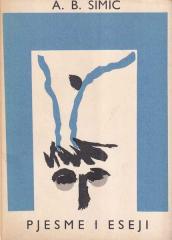
Pjesme i eseji
„Gedichte und Essays“ von A. B. Šimić ist eine posthume Publikation, die ausgewählte Gedichte und Essays einer der Schlüsselfiguren des kroatischen Expressionismus vereint. Diese Auswahl seiner Gedichte und Essays wurde von Vesna Krmpotić herausgegeben.
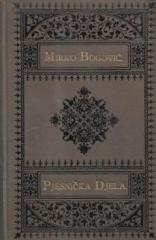
Pjesnička djela III: Frankopan (drama) - Izabrane pjesme
Der dritte Band von Mirko Bogovićs poetischen Werken enthält das historische Drama „Frankopan“ (in fünf Akten) und eine Auswahl seiner besten Gedichte. Ein Klassiker der kroatischen Romantik und der illyrischen Bewegung mit patriotischen und politischen T

Pjesnička djela I: Matija Gubec - Stjepan, posljednji kralj bosanski
The first volume of Bogović's Poetic Works brings two historical dramas: Matija Gubec (the Peasant King) and Stjepan, the Last King of Bosnia. Classic romantic tragedies of the Illyrian movement with patriotic and national themes.

Pod apsolutizmom: Historija šestoga decenija hrvatske književnosti (1850.-1860.)
A scholarly study by Nikola Andrić on Croatian literature in the period of Bach's absolutism (1850–1860). A thorough analysis of literary life, writers, and works in one of the most difficult political periods in Croatian history. First edition from 1906.
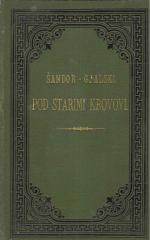
Pod starimi krovovi: Zapisci i ulomci iz plemenitaškoga svieta
Under Old Roofs (1886) is a collection of short stories by Ksaver Šandor Gjalski. It realistically and nostalgically depicts the decline of the Zagorje noble manors, old customs, and the conflict between generations during the collapse of feudal society.