Antun Barac
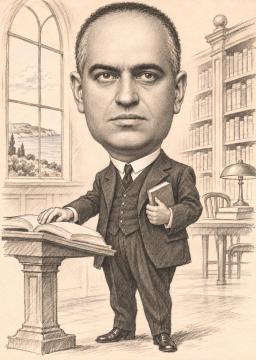
Antun Barac (Kamenjak near Crikvenica, 20 August 1894 – Zagreb, 1 November 1955) was a Croatian literary historian and critic, and a formative figure in modern Croatian literary scholarship. He completed secondary school in Sušak and graduated from the University of Zagreb in Yugoslav literature, German and philosophy in 1917. His doctorate, awarded in 1918, examined Vladimir Nazor.
After teaching in secondary schools, Barac joined the University of Zagreb’s Faculty of Humanities and Social Sciences in 1930. He later served as dean and as university rector in 1950–1951. He became a full member of the Yugoslav Academy of Sciences and Arts in 1947. During the Second World War, he was imprisoned in the Ustaša camps of Jasenovac and Stara Gradiška.
His scholarship brought together human experience, artistic achievement and historical context. He resisted both the reduction of literary history to biographical facts and approaches that ignored literature’s social significance. His influential notion of the “greatness of the small” emphasised neglected writers and the distinctive circumstances of smaller national literatures.
His monographs include Vladimir Nazor (1918), August Šenoa (1926), Vidrić (1940) and Mažuranić (1945). Major critical works include Knjiga eseja (1924), Članci o književnosti (1935), Hrvatska književna kritika (1938), Književnost i narod (1941) and Veličina malenih (1947).
His planned history of Croatian literature from the National Revival to the creation of Yugoslavia remained incomplete. The first volume appeared in 1954; the second, supplemented by Višnja Barac, followed posthumously in 1960. He also published Jugoslavenska književnost in 1954.
His wartime experiences and reflections on literature were collected in Bijeg od knjige (1965). Through scholarship, teaching and the editing of Croatian authors, Barac made a lasting contribution to the understanding and preservation of literary heritage.
Titles in our offer
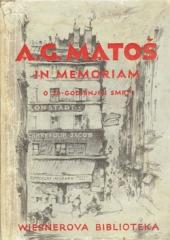
A. G. Matoš: In memoriam o 20-godišnjici pjesnikove smrti
A memorial collection published in 1934 by Ljubo Wiesner (Wiesner's Library, vol. 1). The editorial and authorial lead was Antun Barac, with contributions from Milan Ogrizović, Tin Ujević, Ljubo Weisner and other Croatian writers and critics.
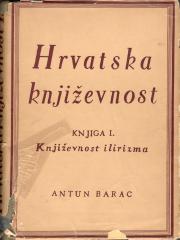
Hrvatska književnost od Preporoda do stvaranja Jugoslavije: Knjiga I. Književnost ilirizma
The first part of Barč's history of Croatian literature provides an overview of the Illyrian movement, its writers, ideas and cultural significance in the period from the national revival to the creation of the Yugoslav state.
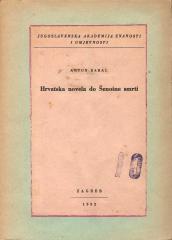
Hrvatska novela do Šenoine smrti
Antun Barc's scholarly study of the development of the Croatian novella from its beginnings to Šeno's death, with an overview of the author, poetics, and place of the novella in Croatian literature.
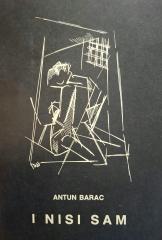
I nisi sam
Poems and writings shaped by imprisonment bear witness to suffering, solitude and human solidarity, affirming personal dignity in the face of violence.
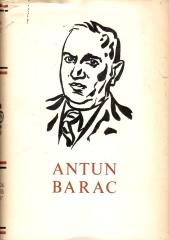
PSHK #101: Antun Barac: Članci i eseji
Barac’s essays and articles provide an overview of Croatian literature, its writers, works, language, and development. He links literature with history, society, the European context, human experience, and art.

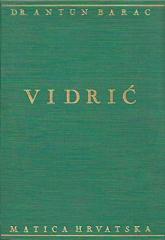
Vidrić
"Vidrić" by Antun Barc is a monograph on the life and work of the poet Vladimir Vidrić. A classic study by one of the most important Croatian literary historians about a prominent representative of Croatian modernism.