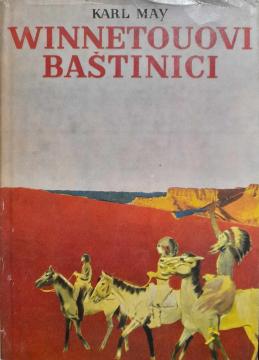
Winnetouovi baštinici
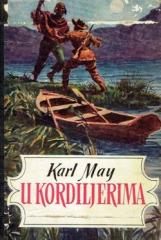
Erben von Winnetou ist der Name, den er heute für den ursprünglichen Winnetou verwendet, abgekürzt: Winnetou IV, Karl Mays letzten abgeschlossenen Roman. Dies war auch der letzte Band von „Collected Travel Stories“.
Der inzwischen über 60-jährige Old Shatterhand bekommt daheim in seiner Villa in Radebeul mehrere Briefe, unter anderem von den Söhnen Old Surehands und Apanatschkas. In ihnen wird er über den bevorstehenden Bau eines Winnetou-Denkmals informiert und dazu eingeladen. Um sich die Sache anzuschauen und gegebenenfalls zu verhindern, macht er sich mit seiner zweiten Frau Klara, dem „Herzle“, auf.
Auf ihrer Reise durch den kaum noch „wilden“ Westen (das „Herzle“ darf in einem mitgebrachten Zelt schlafen) werden sie von einem guten Freund und ehemaligen Westmann Max „Maksch“ Pappermann begleitet. Unterwegs treffen sie auf den „Jungen Adler“ und die beiden Söhne Santers, die ihn zu Beginn des Romans bereits in Deutschland aufsuchten. Dabei findet Old Shatterhand das eigentliche Testament Winnetous, indem er tiefer in dem Loch gräbt, das er bereits in Winnetou III gegraben hat und wo er die „Schatzkarte“ fand, die schließlich von Santer zerstört wurde. Old Shatterhand gelingt es schließlich, die Anhänger Winnetous von der Oberflächlichkeit und Unehrlichkeit des Denkmals zu überzeugen, dessen Fertigstellung scheitert. Im Nachwort wird aber ein Denkmal in New York City angekündigt, „als ein Sinnbild dafür, daß das Volk Amerikas trotz aller der roten Rasse zugefügten Ungerechtigkeiten die edlen Eigenschaften der Ureinwohner Amerikas vollauf würdigt“.
Des Weiteren versöhnt sich Old Shatterhand mit vielen seiner alten Feinde (z. B. Tatellah Satah). Alles in allem ist der Roman viel verklärter als seine Vorgänger. Das Motiv „Friede und Versöhnung“ steht im Vordergrund. Es ist von einem „Clan Winnetou“ die Rede, dessen Mitglieder den Namen eines von ihnen zu beschützenden unter einem zwölfstrahligen, gelben Stern auf der Brust tragen. In der Entstehungsgeschichte dieses Clans wird auch von Marah Durimeh gesprochen, einer alten, katholischen und ziemlich geheimnisvollen Königin, die eigentlich nur in den Orient-Erzählungen von Karl May vorkommt. Den amerikanischen Ureinwohnern ist sie als Königin Marimeh bekannt. Ihre Kenntnis wird auf die ehemalige Landbrücke zwischen Asien und Nordamerika zurückgeführt, über die vor Jahrtausenden Boten aus dem Reich Dschinnistan gekommen seien.
Angeboten wird ein Exemplar
- Die Abdeckung fehlt