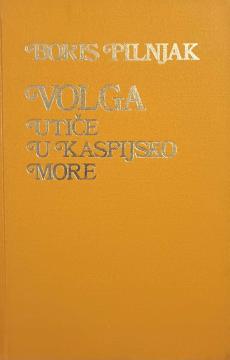
Volga utiče u Kaspijsko more
Im Zentrum des Romans „Wolga fließt ins Kaspische Meer“ wird eine alte russische Provinz vom majestätischen Akt des fließenden Flusses erfasst.
Durch das Bild des Baus eines 25 Meter hohen Steindamms, an dem eine große Zahl von Bauern und Bürgern beteiligt ist, die sich verzweifelt an den Rändern der verschwindenden Welt festklammern, zeigt uns der Autor anschaulich den hartnäckigen Widerstand und die Verurteilung der Das Individuum scheiterte im Kampf gegen das Kollektiv und hinterließ deutlich die nostalgische Verbundenheit mit dem alten Russland. Es ist eine Art Bericht eines großen Geschichtenerzählers über das politische und familiäre Leben zweier Russlands – des verschwindenden und des herrschenden. Die Unterdrückung durch die Behörden in der Sowjetunion zielte darauf ab, die Wurzeln der Vergangenheit, das Gefühl, das die gesamte Nation verband, auszulöschen und auszulöschen. In dieser Spannung und kulturellen Spaltung war die Unsterblichkeit der Seele des tausendjährigen großen Russlands erkennbar. Die für Piljnjaks Ausdruckskraft charakteristische Unruhe, ein Knoten dicht miteinander verwobener Obsessionen, Ängste und Unsicherheiten sowie Ohnmachtsgefühle, die sich besonders in den nächtlichen Reflexionen seiner Figuren manifestieren, zieht sich durch dieses Werk. Die dramatische Spannung des Romans spiegelt sich im proklamierten Willen und der Politik der Herrscher zum Fortschritt Russlands wider, die auf den hartnäckigen Widerstand der traditionsverbundenen Charaktere stößt, die die neue versprochene Welt wohlwissend nicht betreten wollen wird sie von allem losreißen, was bis dahin ihre Lebensweise und Identität bestimmt hatte. Der Schrei der hilflosen Bauern trifft auf die Steinblöcke der riesigen Böschung und verschwindet in den Tiefen des Flusses.
Im Angebot sind keine Exemplare vorhanden
Das letzte Exemplar wurde kürzlich verkauft.