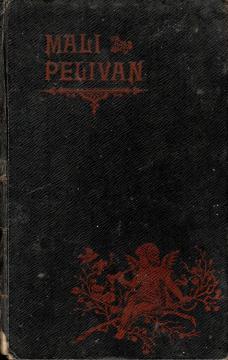
Mali pelivan i druge priče i pjesme za mladež
Mali pelivan i druge priče i pjesme za mladež (1926.) zbirka je pripovijedaka i pjesama u kojoj Josip Cvrtila kroz dječje doživljaje, maštu i moralne pouke promiče vrijednosti dobrote, poštenja, vjere i ustrajnosti.
Mali pelivan i druge priče i pjesme za mladež hrvatskoga književnika Josipa Cvrtile pripada razdoblju najintenzivnijega Cvrtilina stvaralaštva za djecu i mlade, kada nastaju i njegova poznata djela Ivanjska noć (1922.) te Tri dječaka (1925.).
Zbirka okuplja kraće pripovijetke i pjesme namijenjene mladim čitateljima. U središtu su dječji likovi i njihove svakodnevne pustolovine, ali i fantastični elementi, neobični događaji te motivi iz narodnih predaja i bajkovitoga svijeta. Naslovni mali pelivan simbolizira snagu volje, hrabrost i spremnost na svladavanje prepreka, što je jedna od temeljnih poruka knjige. Kroz jednostavne, pristupačne i živopisne priče autor nastoji zabaviti mlade čitatelje, ali ih istodobno potaknuti na razmišljanje o moralnim vrijednostima i osobnoj odgovornosti.
Cvrtilino stvaralaštvo obilježavaju maštovitost, liričnost i bliskost dječjem pogledu na svijet. Njegove priče često povezuju realne situacije s fantastičnim motivima, a pripovijedanje je prožeto kršćanskim i odgojnim vrijednostima koje su bile karakteristične za hrvatsku dječju književnost međuratnoga razdoblja. Kritičari su isticali njegovu sposobnost prikazivanja dječje naivnosti, osjećajnosti i mašte te ga svrstavaju među značajnije hrvatske pisce za mladež prve polovice 20. stoljeća.
Danas se Mali pelivan i druge priče i pjesme za mladež smatra vrijednim primjerom hrvatske dječje književnosti između dvaju svjetskih ratova. Djelo svjedoči o pedagoškim i književnim nastojanjima svojega vremena te zauzima važno mjesto u opusu autora koji je velik dio života posvetio odgoju djece i stvaranju književnosti za mlade čitatelje.
Angeboten wird ein Exemplar
- Oštećen hrbat
![Das Kapital. Buch III: Der Gesammtprozess der kapitalistischen Produktion. Dritter Band, erster [und] zweiter Theil. Erste Auflage](https://arka-knjiga.hr/static/images/books/b14921-1717497118559240.jpg)