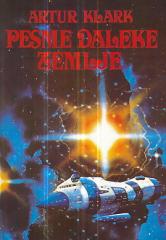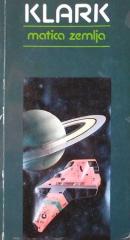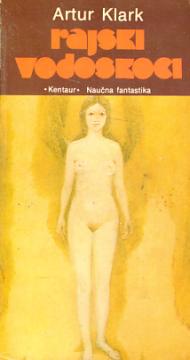
Rajski vodoskoci
Vannemar Morgans Traum, die Erde mit den Sternen zu verbinden, erfordert einen 24.000 Meilen hohen Weltraumaufzug. Aber zuerst muss er eine Million technischer, politischer und wirtschaftlicher Probleme lösen und gleichzeitig den Zorn Gottes besänftigen.
Der Roman konzentriert sich hauptsächlich auf ein Projekt namens Orbital Tower, das von der Hauptfigur Vannevar Morgan vorgeschlagen wurde. Der Turm soll vom Erdäquator bis zu einem Satelliten reichen, der sich in einer geostationären Umlaufbahn befindet. Eine solche Struktur würde die Kosten für den Transport von Menschen und Vorräten in den Weltraum erheblich senken.
Die Hauptgeschichte wird von zwei weiteren Geschichten umrahmt. Die erste erzählt von König Kalidasa, der Tausende von Jahren vor Morgans Geburt lebte und einen „Vergnügungsgarten“ mit funktionierenden Springbrunnen errichtete, was für die damalige Zeit eine bedeutende technische Anstrengung darstellte. Die andere Geschichte, die lange nach Morgans Tod spielt, handelt von Außerirdischen, die Kontakt mit der Erde aufnehmen.
Aufgrund vieler technischer Probleme gibt es auf der Erde nur zwei Standorte, an denen der Orbital Tower gebaut werden kann. Einer liegt mitten im Pazifischen Ozean und der andere ist Sri Kanda (ein kaum verhüllter Hinweis auf Adam's Peak in Sri Lanka). Allerdings gibt es auf der Insel einen buddhistischen Tempel, und Mahanayake Thero, der Leiter des Ordens, verweigert die Erlaubnis, mit dem Bau zu beginnen.
Als eine Gruppe von Menschen, die auf dem Mars leben, von den Schwierigkeiten hört, kontaktiert sie Morgan und schlägt vor, den Turm stattdessen dort zu bauen. Es wäre kleiner als das für die Erde geplante und würde vom Mars bis zu einem seiner Monde, Deimos, reichen.
Nach einigen Rückschlägen, darunter auch einigen Todesopfern, beginnt der Bau des Turms. Obwohl das Herz des Ingenieurs versagt, reitet er den Turm hinauf, um einer Gruppe gestrandeter Studenten und ihrem Professor Nahrung und Sauerstoff zu bringen. Nach Überwindung schwerer Schwierigkeiten gelingt es ihm, doch auf dem Rückweg stirbt er an einem Herzinfarkt.
Angeboten wird ein Exemplar
- Leichte Beschädigung der Abdeckung