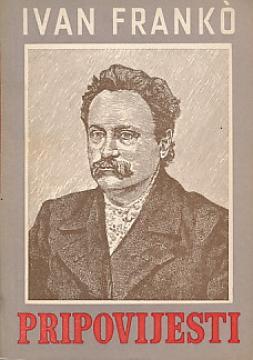
Pripovijesti
Inhalt: Maurer, Guter Verdienst, Wälder und Weiden, Zigeuner, Auf dem Licht, Frauenbrot, Anmerkung zum Autor
Die Geschichten spielen im Galizien unter österreichischer Herrschaft im späten 19. Jahrhundert und verspotten die Armut von Bauern und Arbeitern sowie feudale Ausbeutung, Bürokratie und den Verlust traditioneller Rechte. Franko, Arzt, Journalist und Aktivist, fordert soziale Gerechtigkeit und ein nationales Erwachen durch realistische Beschreibungen und tiefgründige Charaktere.
– Der Maurer: Arme Maurer, ehemalige Bauern, kommen auf der Suche nach Arbeit in die Stadt, treffen dort jedoch auf grausame Arbeitgeber und schwierige Bedingungen. Die Hauptfigur, ein erfahrener Handwerker, leidet unter Krankheit und Ausbeutung und symbolisiert damit den Niedergang der Arbeiterklasse im städtischen Chaos. Die Geschichte endet tragisch und unterstreicht die Hilflosigkeit des einfachen Mannes.
– Gutes Geld: Der Bauer Mykyta geht in der Hoffnung auf schnellen Reichtum in die Stadt, wird aber von Spekulanten und Grundbesitzern betrogen. Statt Geld zu verdienen, verschuldet er sich, wird krank und kehrt enttäuscht ins Dorf zurück. Franko verspottet die falschen Versprechungen des Kapitalismus und zeigt, wie die Armen Opfer bleiben.
- Wälder und Weiden: Der alte Bauer Andriy Kritsky verliert aufgrund der Einhegung von Adligen und der Begünstigung von Gesetzen für Großgrundbesitzer den Zugang zu kommunalen Wäldern und Weiden. Die Geschichte schildert den Verlust natürlicher Ressourcen und des traditionellen Lebens, der zu Hunger und Verzweiflung führt, und kritisiert die Agrarreform, die die Elite schützt.
- Zigeuner: Eine Roma-Familie kommt ins Dorf und provoziert Vorurteile und Konflikte mit der lokalen Bevölkerung. Anhand einer Geschichte von Liebe und Verrat innerhalb der Roma-Gemeinschaft untersucht Franko die Marginalisierung von Minderheiten, die Vermischung von Kulturen und Rassismus und porträtiert die Zigeuner als Opfer sozialer Diskriminierung.
- Zum Licht: Ein junger Intellektueller oder Arbeiter sucht das „Licht“ des Wissens und der Wahrheit in der Dunkelheit der Unwissenheit und sozialen Ungerechtigkeit. Er begegnet Bürokratie und Heuchelei, doch seine Reise symbolisiert die Hoffnung auf Erleuchtung und den Kampf gegen die dunklen Mächte des Feudalismus. – Gutsbrot: Eine Geschichte über Sklavenarbeit (Panschtschyna), bei der Bauern für „gutsbrot“ – einen Mindestlohn des Adels – schuften. Anhand von Figuren, die Hunger und Demütigung erleiden, prangert Franko das Feudalsystem an und betont, dass echtes Brot nur durch unbezahlte Arbeit zu verdienen ist. – Anmerkung des Autors: Frankos autobiografischer Essay über sein Werk, seine Überlegungen zur Rolle der Literatur im sozialen Kampf und seine Inspiration aus dem Leben der Menschen.
Es werden zwei Exemplare angeboten