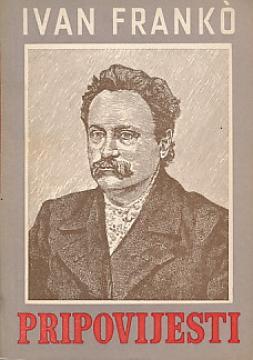
Pripovijesti
Sadržaj: Zidar, Dobra zarada, Šume i pašnjaci, Cigani, Na svetlosti, Gospin hleb, Beleška o piscu
Smeštene u Galiciji pod austrijskom vlašću krajem 19. veka, priče ismevaju siromaštvo seljaka i radnika, kritikujući feudalnu eksploataciju, birokratiju i gubitak tradicionalnih prava. Franko, lekar, novinar i aktivista, poziva na socijalnu pravdu i nacionalno buđenje kroz realistične opise i duboke likove.
Zidar: Siromašni zidari, bivši seljaci, dolaze u grad tražeći posao, ali se susreću sa okrutnim poslodavcima i teškim uslovima. Glavni lik, iskusan zanatlija, pati od bolesti i eksploatacije, što simbolizuje propadanje radničke klase u urbanom haosu. Priča se završava tragično, ističući bespomoćnost običnog čoveka.
Dobar novac: Seljak Mikita odlazi u grad nadajući se brzom bogaćenju, ali ga prevare spekulanti i zemljoposednici. Umesto da zaradi novac, završava u dugovima i bolestima, vraćajući se u selo razočaran. Franko ismeva lažna obećanja kapitalizma, pokazujući kako siromašni ostaju žrtve.
Šume i pašnjaci: Stari seljak Andrij Kricki gubi pristup komunalnim šumama i pašnjacima zbog ograđivanja plemića i zakona koji favorizuju velike zemljoposednike. Priča prikazuje gubitak prirodnih resursa i tradicionalnog života, što dovodi do gladi i očaja, kritikujući agrarnu reformu koja štiti elitu.
Cigani: Romska porodica stiže u selo, izazivajući predrasude i sukob sa lokalnim stanovništvom. Kroz priču o ljubavi i izdaji unutar romske zajednice, Franko istražuje marginalizaciju manjina, mešanje kultura i rasizam, prikazujući Cigane kao žrtve društvene diskriminacije.
Ka svetlosti: Mladi intelektualac ili radnik traži „svetlost“ znanja i istine u mraku neznanja i društvene nepravde. Susreće se sa birokratijom i licemerjem, ali njegovo putovanje simbolizuje nadu u prosvetljenje i borbu protiv mračnih sila feudalizma.
Gospodski hleb: Priča o ropskom radu (panščini), gde seljaci rade za „gospodski hleb“ - minimalnu isplatu od plemića. Kroz likove koji pate od gladi i poniženja, Franko osuđuje feudalni sistem, naglašavajući da pravi hleb dolazi samo kroz slobodan rad.
Autorska napomena: Frankov autobiografski esej o njegovom radu, njegovim razmišljanjima o ulozi književnosti u društvenoj borbi i njegovoj inspiraciji iz narodnog života.
Dva primerka su u ponudi