Hrvatska umjetnička glazba
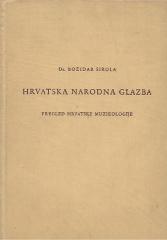
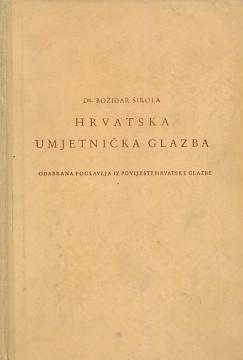
Božidar Širolas Werk „Kroatische Kunstmusik“ schildert die Entwicklung der kroatischen Kunstmusik von ihren Anfängen bis zur Moderne und hebt die wichtigsten Komponisten, Stile und kulturellen Einflüsse hervor.
Kroatische Kunstmusik von Božidar Širola ist ein bedeutendes musikwissenschaftliches Werk, das einen Überblick über die Entwicklung der kroatischen künstlerischen Musiktradition in verschiedenen historischen Epochen bietet. Der Autor stellt die Entstehung und Formung der kroatischen Musikkultur im Kontext europäischer Kunstströmungen dar und hebt dabei ihre Besonderheiten und nationalen Merkmale hervor. Das Werk ist eine wertvolle Quelle zum Verständnis der Geschichte der kroatischen Musik und ihrer Stellung im breiteren kulturellen und künstlerischen Raum.
Širola zeichnet die Entwicklung der Kunstmusik von ihren mittelalterlichen Anfängen über Renaissance und Barock bis hin zu Romantik und Moderne nach. Er widmet den Musikzentren, die eine wichtige Rolle bei der Gestaltung des kroatischen Musiklebens spielten, sowie den Aktivitäten von kirchlichen Einrichtungen, Schulen und Kulturvereinen, die zur Verbreitung musikalischer Bildung und professioneller musikalischer Tätigkeit beitrugen, besondere Aufmerksamkeit.
Das Werk analysiert die wichtigsten kroatischen Komponisten und ihr Schaffen, wobei der Autor ihren Beitrag zur Entwicklung des nationalen musikalischen Ausdrucks hervorhebt. Eine besondere Stellung nehmen Komponisten ein, die Elemente kroatischer Volksmusik in ihre Werke integrierten und so künstlerisches und volkstümliches musikalisches Erbe miteinander verbanden. Širola zeigt, wie europäische Stile und ästhetische Strömungen kroatische Autoren beeinflussten, aber auch, wie diese Werke schufen, die ihre eigene kulturelle Identität widerspiegeln.
Neben der kompositorischen Kreativität betrachtet der Autor die Entwicklung musikalischer Institutionen, des Konzertlebens, der Musikerziehung und der Verlagstätigkeit. So wird die Kunstmusik als Teil eines umfassenderen kulturellen Systems verstanden, das die kroatische Gesellschaft und ihre künstlerische Entwicklung prägte.
Das Werk zeichnet sich durch seinen wissenschaftlichen Ansatz, seine Klarheit und seine reichhaltige Dokumentation aus. Širola verknüpft historische Fakten, die Analyse musikalischer Werke und den kulturellen Kontext und zeichnet so ein vollständiges Bild der Entwicklung der kroatischen Kunstmusik. Aufgrund seines Informations- und Forschungswerts stellt das Buch wichtige Literatur für Studierende der Musikwissenschaft, der Kunstgeschichte, der Kulturwissenschaft und alle am kroatischen Musikerbe Interessierten dar.
Angeboten wird ein Exemplar