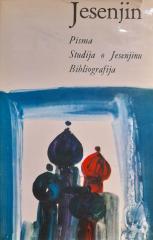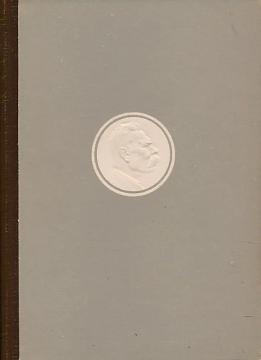
Djela #18: Moji univerziteti

Djela #18: Moji univerziteti

Maksim Gorki

In addition to the autobiographical work "My Universities", this volume also contains the autobiographical stories The Watchman, Korolenko's Age, On the Harmfulness of Philosophy and On First Love.

"My Universities", the third part of Maxim Gorky's autobiographical trilogy, completes the story of his coming of age and intellectual development. The novel begins with Alexei's arrival in Kazan, a city that for him represents a symbol of hope and intellectual progress. He is convinced that he will receive a formal education there and find a path to a better life. However, reality is harsh. Alexei has no means to pay for his education and is forced to do hard work to survive. While working as a manual laborer, Alexei begins to attend "universities of life" - informal gatherings of workers, intellectuals and political activists. These gatherings open the door for him to the world of literature, philosophy and ideas about social change. Through conversations and interactions with various people, Alexei gradually develops his revolutionary ideas and critical view of society. Despite hunger, poverty and constant struggles for survival, Alexei finds solace in books and learning. In the end, he comes to the realization that formal education is not the only path to knowledge. The life lessons he learned among people and through his own experiences become his true "universities." "My Universities" is not only a story of his personal development, but also a critique of society and the system that discourages the working class from getting an education. "My Universities" is a powerful conclusion to Gorky's autobiographical trilogy. This book emphasizes the value of independent learning, willpower, and the fight for justice, making it relevant even today.

Editor
Ljerka Morkić
Titelseite
E. Stepančić
Maße
20 x 14 cm
Seitenzahl
241
Verlag
Kultura, Beograd-Zagreb, 1949.
 
Auflage: 10.000 Exemplare
 
Latein Schrift. Hardcover.
Sprache: Kroatisch.

Es werden zwei Exemplare angeboten

Kopiennummer 1

Zustand:Gebraucht, in ausgezeichnetem Zustand
Zum Warenkorb hinzugefügt!

Kopiennummer 2

Zustand:Gebraucht, in ausgezeichnetem Zustand
Zum Warenkorb hinzugefügt!
 

Interessieren Sie sich für ein anderes Buch? Sie können das Angebot über unsere Suchmaschine suchen und finden oder Bücher nach Kategorien durchsuchen.

Diese Titel könnten Sie auch interessieren

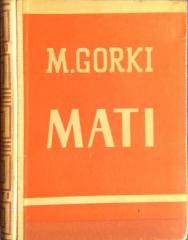
Mati

Mati

Maksim Gorki

Roman Maksima Gorkog „Mati” objavljen je 1906. godine i jedno je od ključnih dela ruskog socrealizma. Delo prikazuje buđenje radničke klase u Rusiji kroz likove i događaje koji naglašavaju društvene nepravde i potrebu za revolucijom.

Glas rada, 1950.
Kroatisch. Latein Schrift. Fester Einband mit Schutzumschlag.
4,36
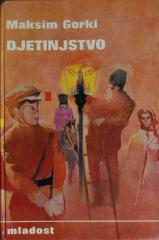
Djetinjstvo

Djetinjstvo

Maksim Gorki
Mladost, 1982.
Kroatisch. Latein Schrift. Hardcover.
2,99
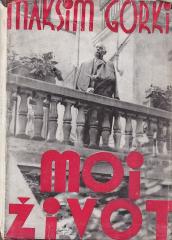
Moj život

Moj život

Maksim Gorki
Naklada Binoza, 1932.
Kroatisch. Latein Schrift. Fester Einband mit Schutzumschlag.
6,99
Moskva – Petuški

Moskva – Petuški

Venjedikt Jerofejev

Venedikt Yerofeyev's postmodern prose poem is today considered a classic of new Russian literature. It is compared to Gogol and Kharms for its poetics of absurdity, satire, and metaphysical depth.

LOM, 217.
Serbisch. Kyrillisch Schrift. Taschenbuch.
11,24
12 stolica

12 stolica

Ilja Iljf, Jevgenij Petrov

A satirical search for hidden treasure in post-revolutionary Russia. Former nobleman Ippolit Matveyevich Vorobyaninov and con artist Ostap Bender chase after valuables, exposing the greed and absurdities of Soviet society.

Šareni dućan, 2013.
Kroatisch. Latein Schrift. Hardcover.
16,54
Zlatno tele

Zlatno tele

Ilja Iljf, Jevgenij Petrov

The Golden Calf (1931) is a brilliant satirical picaresque adventure, a sequel to the legendary 12 Chairs, where the great schemer Ostap Bender returns in full glory – charming, cynical, irredeemably cunning and always one step ahead of everyone else.

Kultura, 1946.
Kroatisch. Latein Schrift. Fester Einband mit Schutzumschlag.
7,56