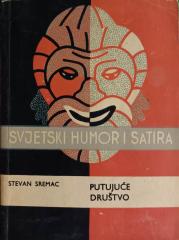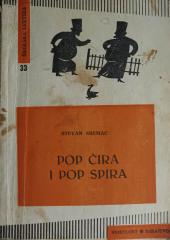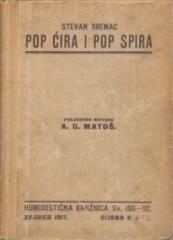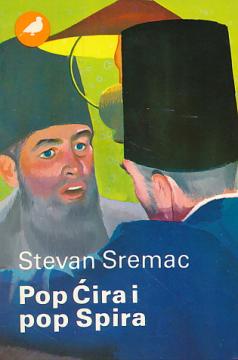
Pop Ćira i pop Spira
Die beiden Priester Ćira und Spira leben in Freundschaft, bis der junge Lehrer Pera auftaucht und den Neid der Priester weckt, die ihn gern als Schwiegersohn hätten. Die Freundschaft zerbricht, bis es schließlich zum Prozess vor dem Bischof kommt. Eine hu
Pop Ćira und Pop Spira (1898) ist der beliebteste und witzigste Roman von Stevan Sremac, einem Klassiker der serbischen Humorliteratur. Inspiriert von einer wahren Begebenheit (einem Streit zwischen zwei Priestern und einem ausgeschlagenen Zahn), schildert der Roman das Leben in der Vojvodina Ende des 19. Jahrhunderts – ein wohlhabendes Dorf im Banat („eher eine Kleinstadt“), in dem die Bauern die Kirche und die Priester so sehr lieben, dass sie gleich zwei von ihnen unterhalten.
Die Hauptfiguren sind zwei Priester:
Pop Ćira (auch bekannt als Pop Hala) – fröhlicher, gefräßiger und optimistischer.
Pop Spira (auch bekannt als Pop Kesa) – etwas geiziger, aber ebenfalls ein Hedonist.
Beide Familien haben Söhne (Persa und Sid) und Töchter (Mara und Jela) und leben in Harmonie: Sie besuchen sich täglich, trinken Schnaps, essen und tratschen. Die Idylle wird durch die Ankunft des jungen, gutaussehenden Lehrers Pero Petrović jäh zerstört. Seine Frau macht ihm sofort einen Strich durch die Rechnung – jede von ihnen wünscht sich, dass er ihr Schwiegersohn wird und ihre Tochter heiratet. Es folgen subtile Streiche, Klatsch und gegenseitiger Spott („nach außen hin süß, innerlich Gift“). Neid schlägt in offene Streitereien um, und es kommt sogar zu einer handfesten Auseinandersetzung zwischen den Vätern – einem Kampf, in dem einer dem anderen einen Zahn ausschlägt.
Der Roman gipfelt in einer Gerichtsverhandlung vor dem Bischof, in der alles auf humorvolle Weise, mit viel Volksweisheit und Witz, gelöst wird. Sremac bedient sich einer lebendigen, dialektalen Sprache voller Sprichwörter, geistreicher Bemerkungen und Ironie und seziert kleinbürgerliche Mentalität, Heuchelei, Neid, Eitelkeit und oberflächliche Freundschaften in einer patriarchalischen Gesellschaft.
Eine Satire auf das Leben der „Kalman“ in der Vojvodina – wo sich alles um Essen, Trinken, Heirat und Status dreht und Kirche und Priester im Mittelpunkt stehen. Das Werk ist voller Wärme gegenüber den Figuren, übt aber gleichzeitig scharfe Kritik am Kleinbürgertum. Es bleibt relevant, weil es universelle menschliche Schwächen thematisiert: wie leicht Freundschaften an kleinlichen Interessen zerbrechen.
Im Angebot sind keine Exemplare vorhanden
Das letzte Exemplar wurde kürzlich verkauft.