Aristofan
Aristophanes (c. 446/448 – c. 386/385 BC) is the greatest writer of ancient Attic comedy and the only one whose plays have been preserved in their entirety. He is considered the "father of comedy" and the most important representative of ancient Greek comedy.
He was born in Athens to a wealthy family. He performed his first comedy when he was not yet 20 years old (427 BC). He lived during the Peloponnesian War and the political turmoil in Athens, which strongly marked his work. In his comedies, he harshly criticized demagogues (especially Cleon), war politics, Socrates, the sophists and Euripides, using crude humor, obscenities, fantastic plots and freedom of expression characteristic of ancient comedy.
He wrote about 40 comedies, of which 11 have been preserved in their entirety. Among the most famous are: Acharnians (425), Knights (424), Clouds (423) – a satire on Socrates, Wasps (422), Peace (421), Birds (414), Lysistrata (411) – the most famous, in which women stop a war with a sex strike, Frogs (405), and Assembly of Women and Plutos.
Aristophanes' comedies are not only entertaining but also deeply political and social. They represent an invaluable source for understanding the life, politics and culture of classical Athens. He is a master of satire, parody and stage humor, and his influence extends throughout European comedy – from Menander and Moliere to modern satire.
Although he was conservative in some views, Aristophanes remained a symbol of artistic freedom and witty resistance to stupidity, demagogy and abuse of power. His works are still read and performed around the world today.
Titles in our offer
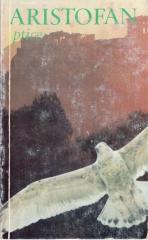
Ptice
Aristophanes' most fantastic comedy. Two Athenians, out of boredom, persuade birds to build a new city in the clouds – Nephelokokygia (Cloudcuckoo City). The dream of an ideal society turns into a daring utopia and a parody of power.
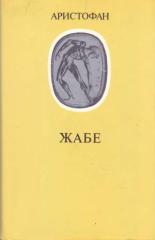
Žabe
A comedy in which the god Dionysus descends into the underworld to bring the best tragedian back to Athens. Aeschylus and Euripides clash in an underground competition, and the comedy humorously discusses the fate of tragedy, art, and Athenian society in