Sofoklo
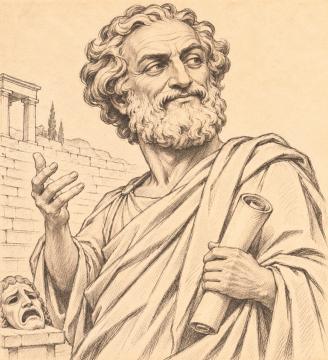
Sophocles (Colonus near Athens, c. 497/496 BCE – Athens, 406 BCE) was a Greek dramatist and poet, and one of the three great Athenian tragedians alongside Aeschylus and Euripides. His plays explore the relationship between individuals and society, conflicting moral obligations, and the limits of human knowledge.
Born into a prosperous family, he received a good education and lived through the flourishing of classical Athens. He also participated in public affairs, holding financial, military and advisory responsibilities. His first recorded dramatic victory came in 468 BCE, when he defeated Aeschylus. He remained a highly respected figure throughout his long career.
Ancient tradition credits him with more than a hundred plays. Seven complete tragedies survive: Ajax, Antigone, Women of Trachis, Oedipus the King, Electra, Philoctetes and Oedipus at Colonus. A substantial portion of the satyr play Trackers also survives. Philoctetes was performed in 409 BCE; Oedipus at Colonus appeared posthumously in 401 BCE.
Antigone sets family and religious obligations against a ruler’s command. In Oedipus the King, the pursuit of truth becomes a devastating discovery of personal identity. Electra examines revenge and familial loyalty, Ajax honour and humiliation, and Philoctetes the tension between political expediency, deception and compassion.
Sophocles is traditionally credited with introducing a third actor, expanding the possibilities of dramatic dialogue and conflict. His theatre combines tightly constructed plots, tragic irony and characters whose commitment to their convictions can lead to catastrophe.
Aristotle regarded Oedipus the King as an exemplary tragic plot. Sophocles’ influence extends through European drama, philosophy and psychoanalysis. His works remain compelling because conscience, authority, responsibility and human dignity emerge as difficult questions rather than comfortable certainties.
Titles in our offer
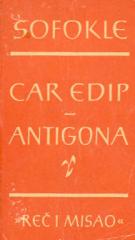
Car Edip / Antigona
Oedipus the King is the most famous and famous Greek tragedy, first performed around 429. ex. Kr. It belongs to the cycle of three Theban plays, which also includes the plays "Oedipus at Colonus" and "Antigone".
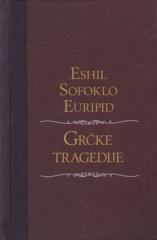
Grčke tragedije: Okovani Prometej, Kralj Edip, Antigona, Medeja i Elektra
Five Greek tragedies explore rebellion, fate, conscience and revenge. Prometheus, Oedipus, Antigone, Medea and Electra confront divine and human power, raising questions of freedom, guilt and responsibility.