Pearl S. Buck
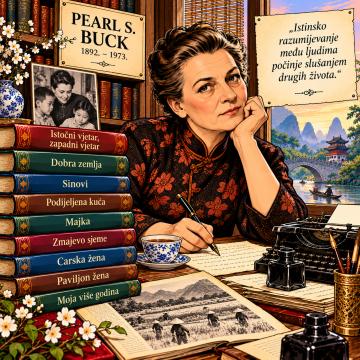
Pearl S. Buck (born Pearl Sydenstricker Buck), an American writer, novelist, and humanitarian, was born on June 26, 1892, in Hillsboro, West Virginia, and died on March 6, 1973, in Danby, Vermont. She was the recipient of the 1932 Pulitzer Prize and the 1938 Nobel Prize in Literature, becoming the first American woman to be awarded that literary honor.
She grew up in China, where her parents served as missionaries. From childhood, she was familiar with the Chinese language, customs, and culture, all of which strongly shaped her literary body of work. She studied in the United States and subsequently returned to China, where she lived and taught for many years.
She began her literary career with the novel East Wind: West Wind (1930), in which she explores the encounter between Eastern and Western cultures, family relationships, and the status of women.
She achieved worldwide fame with the novel The Good Earth (1931), a poignant story about the Chinese farmer Wang Lung and his family. The novel depicts the hard life of peasants, the connection between humanity and the land, poverty, and social change, and it earned the author the Pulitzer Prize. The work is the first part of the House of Earth trilogy, continued by the novels Sons (1932) and A House Divided (1935). Her notable works include The Mother (1934), Fighting Angel (1936), Dragon Seed (1942), Imperial Woman (1956), and Pavilion of Women (1946). In her autobiographical books My Several Worlds and A Bridge for Passing, she describes her personal experiences and life between two cultures.
In addition to her literary work, Buck advocated for women's rights, racial equality, international understanding, and child welfare. She founded organizations that assisted children of mixed heritage and children lacking adequate parental care.
Her style is characterized by simplicity of expression, deep emotion, realistic descriptions, and a profound understanding of human destinies. Pearl S. Buck left an enduring mark on world literature by introducing Western readers to Chinese culture, family life, and the universal values of humanity, compassion, and dignity.
Titles in our offer
Sabrana dela 13: Ponosito srce
One of Pearl S. Buck's less frequently mentioned but very powerful novels (1938), which is quite different from her Chinese sagas. It is the story of a gifted, proud woman who struggles to remain both an artist and a woman, in a world that finds it diffic

Sabrana dela 14: Rastureni dom
It is the third and final novel in the "House of Earth" trilogy, following The Good Earth and Sons. The plot focuses on the third generation of the Wang family—specifically Wang Yuan, grandson of Wang Lung and son of the warlord Wang Tiger.

Sabrana dela 15: Sinovi
After their father's death, the three sons of peasant Wang Lung leave the land he loved; war, greed, and revolution tear the family apart and destroy the inheritance.
Sabrana dela 16: Skriveni cvet
Roman je intimna, emotivna priča o zabranjenoj ljubavi u poslijeratnom Japanu. Jedno od najosobnijih djela Buckove na temu međurasnih odnosa. Manje epski, više psihološki i melankoličan od njezinih kineskih romana.
Sabrana dela 17: Tri kćeri gospođe Lijang
Nachdem ihr Mann eine Konkubine in ihr Haus gebracht hat, verlässt Frau Liang ihr Zuhause, eröffnet ein schickes Restaurant in Shanghai und schickt ihre drei Töchter zum Studium nach Amerika, während China von kommunistischen Umwälzungen erschüttert wird.
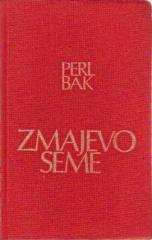
Sabrana dela 19: Zmajevo seme
Die Familie des chinesischen Bauern Ling Tan erlebt 1937 die japanische Invasion. Der Krieg zerstört ihr Leben, verändert ihre Sitten und Gebräuche und entfacht ihren Widerstand. Eine bewegende Geschichte über den Mut, das Leid und den Kampf des chinesisc

Sabrana dela 1: Božji ljudi
„Gottes Volk“ (1951) ist ein Roman, in dem der Autor die gegensätzlichen Lebenswege und Ideale zweier Amerikaner vergleicht, die als Söhne von Missionaren in China aufwuchsen. Die Handlung erstreckt sich vom Boxeraufstand (1900) bis zur Mitte des 20. Jahr
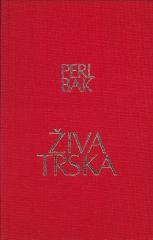
Sabrana dela 20: Živa trska
„Das lebende Schilfrohr“ (1963) ist ein epischer historischer Roman, in dem der Autor die turbulente Geschichte Koreas vom Ende des 19. Jahrhunderts bis zum Ende des Zweiten Weltkriegs (1881–1945) anhand der Schicksale von vier Generationen der aristokrat
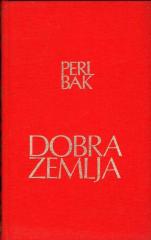
Sabrana dela 2: Dobra zemlja
Pearl S. Buck schildert das Leben des chinesischen Bauern Wang Lung, seinen Aufstieg vom Tellerwäscher zum Millionär und den Zerfall seiner Familie. Der Roman beleuchtet das Verhältnis zwischen Mensch und Land, Tradition, sozialem Wandel und moralischen H
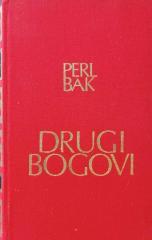
Sabrana dela 3: Drugi bogovi
Roman Drugi bogovi je satirična i psihološka priča o američkom kultu slavnih, idolatriji i potrebi mase da stvori “bogove” od običnih ljudi.