Karlo Štajner
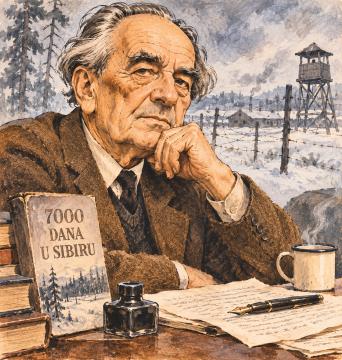
Karlo Štajner (15 January 1902, Vienna – 1 April 1992, Zagreb) was an Austrian-born Croatian writer, publicist and political activist, best known for his autobiographical works documenting the horrors of Stalinism and the Soviet penal labour camps.
He trained as a printing worker in his native Vienna and joined the communist movement while still young. In 1922, he moved to Zagreb, where he organised clandestine printing activities for the Communist Party of Yugoslavia. In 1932, convinced of the possibility of realising socialist ideals, he moved to Moscow and became director of a publishing and printing enterprise associated with the Communist International.
During Stalin's purges in 1936, Štajner was arrested on fabricated charges of espionage. He spent nearly twenty years in prisons, forced labour camps and internal exile, from the Solovetsky Islands to Norilsk and settlements across Siberia. Following Stalin's death and the beginning of de-Stalinisation, he was rehabilitated and returned to Zagreb in 1956. His wife Sonja, who faithfully awaited his return throughout his imprisonment, played a crucial role in his emotional survival.
His major work, Seven Thousand Days in Siberia (7000 dana u Sibiru, 1971), ranks among the most significant testimonies of Stalinist terror and the Gulag system. The book appeared in numerous editions and translations and received the Ivan Goran Kovačić Book of the Year Award in 1972. He subsequently published Return from the Gulag (Povratak iz Gulaga, 1981) and A Hand from the Grave (Ruka iz groba, 1985).
Štajner's writing combines documentary precision, direct narration and profound humanistic sensitivity. His memoirs explore not only his personal fate but also the experiences of countless victims of political persecution, exposing the destructive consequences of ideological fanaticism, institutionalised violence and unlimited state power. His testimony influenced Danilo Kiš, particularly A Tomb for Boris Davidovich, and occupies an important place in twentieth-century European memoir and prison camp literature.
Titles in our offer
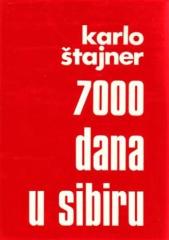
7000 dana u Sibiru
The autobiographical masterpiece brings a Yugoslav communist's harrowing testimony about almost two decades of imprisonment in Soviet gulags, exposing the brutality and horrors of Stalin's purges.
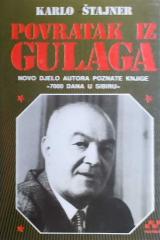
Povratak iz Gulaga
Štajner nastavlja i dopunjuje svoje memoare *7.000 dana u Sibiru*, svedočeći o GULAGU i staljinističkom teroru, dok istovremeno razmišlja o sopstvenim iskustvima progona, zatvaranja, povratka i života nakon logora.
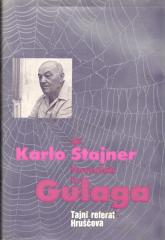
Povratak iz Gulaga: Tajni referat Hruščova
Nastavak memoara „7000 dana u Sibiru“, u kojima autor opisuje svoje dvadesetogodišnje zatočeništvo u sovjetskim gulazima. Knjiga se bavi Štajnerovim iskustvima u logorima, pružajući dodatni uvid u njegov život i razmišljanja o komunističkim idealima.