Ivo Andrić

On a stone bench halfway across the Višegrad bridge, people stop to rest and hear the news. Rulers and generations change, and new stories reach the same spot. In The Bridge on the Drina (Na Drini ćuprija, 1945), Ivo Andrić follows the life of the town from the building of the bridge in the sixteenth century to the First World War. Great events enter the story when they change someone’s work, family or journey across the river.
Andrić was born in Travnik in 1892, spent part of his childhood in Višegrad and went to secondary school in Sarajevo. In 1914 his poems appeared in the anthology Hrvatska mlada lirika. During the First World War he was imprisoned and interned. In Ex Ponto (1918) and Nemiri (1920), his experience of solitude and uncertainty took the form of lyrical prose.
In 1920 he joined the diplomatic service of the Kingdom of Serbs, Croats and Slovenes, later Yugoslavia, and served as its envoy in Berlin from 1939 to 1941. He earned his doctorate in Graz in 1924 with a dissertation on the intellectual and spiritual life of Bosnia under Ottoman rule. During the Second World War he lived in Belgrade, where he worked on the novels that would reach his widest readership.
In 1945, alongside The Bridge on the Drina, he published Bosnian Chronicle (Travnička hronika) and The Woman from Sarajevo (Gospođica). In the first, French and Austrian consuls in Travnik try to find their bearings among people whose customs and relationships they are just beginning to understand. In the second, Rajka Radaković looks for security in saving money, which gradually shapes even her closest relationships.
In The Damned Yard (Prokleta avlija, 1954), Friar Petar hears stories in a Constantinople prison about Ćamil, a young man absorbed in the fate of the Ottoman prince Cem. The story within a story leaves readers wondering how much we can know about someone from what others say about them. Andrić received the Nobel Prize in Literature in 1961. He died in Belgrade in 1975, and his notes Signs by the Roadside (Znakovi pored puta) appeared posthumously in 1976.
Titles in our offer

Pripovijetke
Ivo Andrić’s 1972 collection *Pripovetke* (Short Stories) presents profound tales about Bosnia—a frontier between East and West—permeated with themes of loneliness, transience, and passion, as well as the complex destinies of individuals caught in the whi
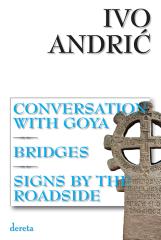
Razgovor s Gojom / Mostovi / Znakovi pored puta: izbor - Conversation with Goya / Bridges / Signs by the Roadside: selection
The bilingual edition of Dereta brings selected prose and essay works by Ivo Andrić – Conversation with Goja, Bridges and Signs by the Road – in a parallel Serbian-English presentation.

Sabrana djela I: Na Drini ćuprija
Na Drini ćuprija je roman Ive Andrića koji je prvi put objavljen 1945. godine. Radnja se odvija u Višegradu, malom bosanskom gradiću, a središnji motiv je na Drini ćuprija koja je simbol kulture, povijesti i sudbine naroda kroz stoljeća.
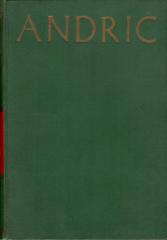
Sabrana djela IX: Deca - pripovetke
Ova zbirka obuhvaća niz pripovijedaka koje se fokusiraju na svijet djece, njihovu nevinost, radoznalost, patnju i suočavanje s okrutnostima svijeta odraslih.
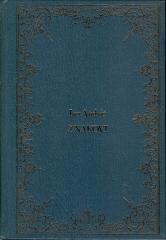
Sabrana djela IX: Znakovi - pripovetke
Ova zbirka okuplja niz Andrićevih kraćih djela koja se bave ljudskim sudbinama, povijesnim i društvenim okolnostima te univerzalnim pitanjima ljudske prirode.
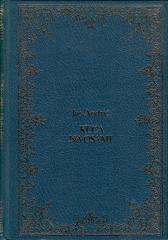
Sabrana djela XI: Kuća na osami i druge pripovetke
Izbor novela u ovoj knjizi sastoji se od dvaju dijelova. Jedan čini samostalna novelistička zbirka "Kuća na osami" na kojoj je Andrić radio pred sam kraj života, a u drugom dijelu skupljene su novele nastale u različitim razdobljima.
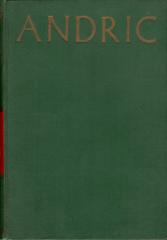
Sabrana djela X: Staze, lica, predeli
"Staze, lica, predeli" zbirka je eseja i zapisa Ive Andrića, prvi put objavljena 1963. godine. Ovo djelo razlikuje se od Andrićeve beletristike jer se bavi filozofskim, introspektivnim i autobiografskim razmatranjima.
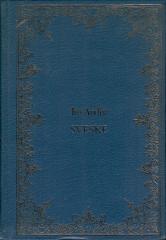
Sabrana djela XVII: Sveske
Die „Notizbücher“ sind posthum veröffentlichte Notizbücher von Ivo Andrić, bestehend aus zwölf Originalbänden und einzelnen Blättern. Sie enthalten seine Gedanken zu Literatur, Geschichte, Kunst, dem Menschen und dem kreativen Prozess.
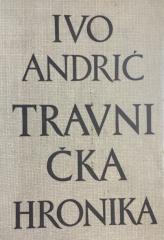
Travnička hronika: Konsulska vremena
"Travnička hronika" (1945.) povijesna je priča smještena u Travniku od 1807. do 1814., tijekom Napoleonovih ratova i osmanske vladavine Bosnom. Pisan za vrijeme Drugog svjetskog rata po modelu evropskog realističkog romana.
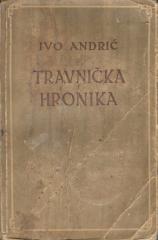
Travnička hronika: Konsulska vremena
First Croatian edition (1947) of Andrić's historical novel depicting the lives of French and Austrian consuls in Travnik and the encounter between different cultures at the crossroads of East and West.