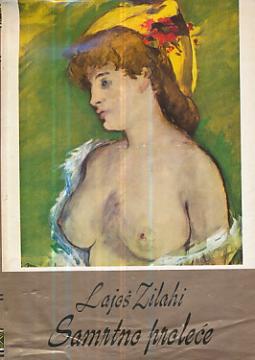
Samrtno proleće

Der Roman „Der Frühling des Todes“ von Lajos Zilahi ist ein bewegender und melancholischer Roman über die tragische Liebe zweier junger Menschen aus unterschiedlichen Gesellschaftsschichten im Ungarn der Vorkriegszeit.
Der Roman „Der Frühling des Todes“, eines der berühmtesten und bewegendsten Werke des bekannten ungarischen Schriftstellers Lajos Žilahi, erzählt eine zeitlose Geschichte von unglücklicher Liebe, gesellschaftlichen Vorurteilen und einem unausweichlichen tragischen Schicksal. Die Hauptfiguren sind ein junger, ehrgeiziger Anwalt und aufstrebender Dichter sowie Edit, ein junges, zerbrechliches und von göttlicher Schönheit, aus der Oberschicht. Ihre Liebe entspringt der Atmosphäre des erblühenden Frühlings, prallt aber bald an der unerbittlichen Mauer strenger gesellschaftlicher Konventionen, familiärer Interessen und Standesunterschiede, die ihnen ein gemeinsames Glück verwehren.
Mit außergewöhnlicher psychologischer Feinfühligkeit und unverkennbarer lyrischer Kraft seziert Žilahi die inneren Zerrissenheiten seiner Protagonisten, den Konflikt zwischen Pflicht und Gefühl und den tiefen Schmerz verpasster Gelegenheiten. Die Erzählung wird gekonnt von Erinnerungen und Notizen umrahmt, die den Leser von Beginn an auf das unausweichliche tragische Ende vorbereiten und dem Roman eine starke elegische Note verleihen. Durch seine subtile Atmosphäre, eindrucksvolle Beschreibungen und tiefgründige Analyse der menschlichen Seele bleibt „Der tödliche Frühling“ eines der schönsten Zeugnisse für die Kraft der ersten Liebe und ihre Verletzlichkeit in der grausamen Welt der Erwachsenen und zieht mit seiner Aufrichtigkeit und emotionalen Wucht Generationen von Lesern in seinen Bann.
Angeboten wird ein Exemplar
- Spuren von Patina