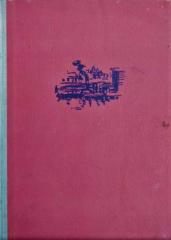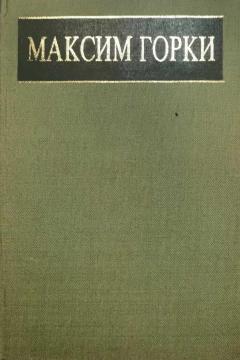
Mati / Gradić Okurov

Mati / Gradić Okurov

Maksim Gorki

The novel Mati talks about awakening the consciousness of the oppressed and exploited poor population of imperial Russia, and the rights to a free and dignified life.

The plot focuses on the illegal struggle of factory workers and socialist revolutionaries. The novel describes life in the small town of Okurov and the themes of awakening awareness and fighting for rights.

Translation
Marko Vidojković, Iso Velikanović
Editor
Milorad Đurić
Dimensions
21 x 14.5 cm
Pages
474
Publisher
Srpska književna zadruga (SKZ), Beograd, 1977.
 
Distribution: 4,000 copies
 
Cyrillic alphabet. Hardcover.
Language: Serbian.

No copies available

The last copy was sold recently.
 

Are you interested in another book? You can search the offer using our search engine or browse books by category.

You may also be interested in these titles

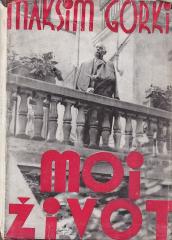
Moji univerziteti

Moji univerziteti

Maksim Gorki
Rad, 1959.
Serbian. Latin alphabet. Paperback.
0.99
Mati

Mati

Maksim Gorki

Maxim Gorky's novel "Mother" was published in 1906 and is one of the key works of Russian social realism. The work depicts the awakening of the working class in Russia through characters and events that emphasize social injustices and the need for revolut

Glas rada, 1950.
Croatian. Latin alphabet. Hardcover with dust jacket.
4.36
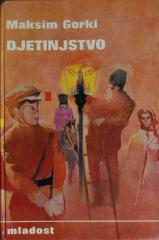
Djetinjstvo

Djetinjstvo

Maksim Gorki
Mladost, 1982.
Croatian. Latin alphabet. Hardcover.
2.99 - 3.98
Deobe

Deobe

Dobrica Ćosić

Deobe is a novel about the tragic division of Serbs into Chetniks and Partisans during World War II. Winner of the NIN Award, it is part of a wider epic trilogy, inspired by Ćosić's experiences and historical documents.

Prosveta, 1963.
Croatian. Latin alphabet. Hardcover with dust jacket.
13.74
Stotina godina (antikronika)

Stotina godina (antikronika)

Dario Harjaček

The novel One Hundred Years by Dario Harjaček provides a panoramic view of Trešnjevka and its inhabitants through a century of changes, ideologies, and human destinies – a mosaic of Zagreb in which life, art, and history intertwine.

Oceanmore, 2025.
Croatian. Latin alphabet. Paperback.
13.42
Deobe 1-3

Deobe 1-3

Dobrica Ćosić

This work, awarded the NIN Prize for that year, is considered one of the most significant in Serbian literature after World War II.

Prosveta, 1961.
Serbian. Cyrillic alphabet. Hardcover with dust jacket.
The book consists of 3 volumes
11.42