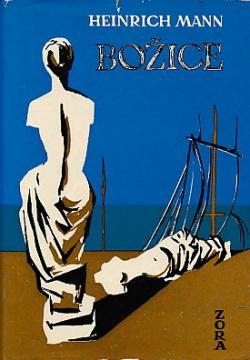
Božice
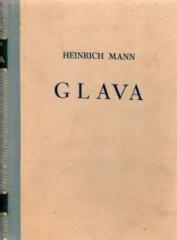
Raskošna trilogija Heinricha Manna o životu ekscentrične vojvotkinje Viole von Assy, koja kroz tri životne faze strastveno traga za slobodom, umjetnošću, moći i apsolutnom ljubavlju.
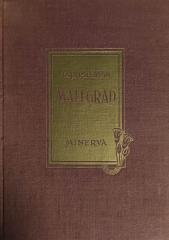
Trilogija „Božice” (Die Göttinnen, 1903.) jedno je od najvažnijih i najraskošnijih djela njemačke secesije i ranog ekspresionizma, kojim je Heinrich Mann stekao veliku književnu slavu. Kroz tri povezana romana — Diana, Minerva i Venera — autor prati burni životni put neobične i fascinantne talijansko-dalmatinske plemkinje, vojvotkinje Viole von Assy. Svaki dio trilogije nosi ime rimske božice i simbolizira jedno ključno razdoblje Violina života i njezinih strasti. U prvom dijelu (Diana), težeći za slobodom i neovisnošću, Viola financira i predvodi političku revoluciju na Jadranu. U drugom dijelu (Minerva), njezina se strast preusmjerava na umjetnost, estetiku i intelektualne užitke, dok u završnom dijelu (Venera) ona postala bezobzirna i strastvena ljubavnica koja traži apsolutnu erotsku ispunjenost. Mann s iznimnom vizualnom snagom i bujnim jezikom oslikava dekadentno europsko društvo s kraja 19. stoljeća. Kroz lik Viole stvaran je portret snažne, neukrotive žene koja odbija društvene konvencije i nastoji od vlastitog života načiniti vrhunsko umjetničko djelo, čineći ovaj roman bezvremenskom posvetom vitalizmu, slobodi i esteticizmu.
One copy is available
- Nedostaje ovitak