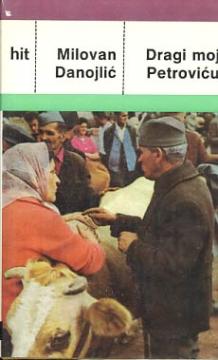
Dragi moj Petroviću
My Dear Petrović by Milovan Danojlić is a humorous and satirical novel that, through the letters and thoughts of the main character, depicts everyday life, human weaknesses, and social situations with a lot of wit and irony.
Dear Petrović is a work by Serbian writer Milovan Danojlić known for his unique blend of lyrics, humor, and social criticism. The novel is structured as a series of addresses to the titular Petrović, a real or imagined interlocutor, to whom the narrator confides his thoughts, observations, and comments about people, everyday events, and the society in which he lives. Such a form allows the author to freely express his views and create a direct and humorous tone.
Through a series of seemingly ordinary situations, the narrator observes human habits, behaviors, and interpersonal relationships. His observations are often imbued with irony and mild satire, but at the same time they reveal a deep understanding of human nature. The author manages to find themes in everyday events that transcend individual experiences and speak of universal human traits such as vanity, ambition, selfishness, kindness, and the need for understanding.
The work's special value is made up of the blend of humor and more serious reflections. Although many scenes are written in a humorous manner, behind them lie questions about the meaning of life, the relationship of the individual to society, and the changes that shape the modern world. The narrator often questions established patterns of behavior and social norms, encouraging the reader to think critically.
Danojlić's style is characterized by simplicity, clarity, and a conversational tone. The author creates a sense of closeness between the narrator and the reader, as if it were a sincere conversation between friends. This is precisely why the work seems accessible and lifelike, and its messages remain current and understandable to different generations.
Dear Petrović is not only a humorous novel, but also an insightful reflection on man and society. Through witty remarks, irony, and everyday situations, the author creates a work that entertains, but at the same time encourages reflection on the values, relationships, and challenges of modern life.
One copy is available
- Zapisi hemijskom/flomasterom
- Pečat biblioteke