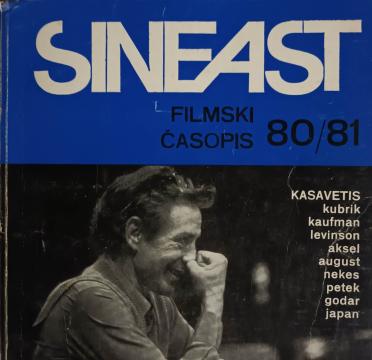
Sineast # 80/81
Editor
Nikola Stojanović
Dimensions
19 x 19.8 cm
Pages
155
Publisher
Kino savez Bosne i Hercegovine, Sarajevo, 1989.
Latin alphabet. Paperback.
Language: Croatian.
No copies available
The last copy was sold recently.
No copies available
The last copy was sold recently.
Are you interested in another book? You can search the offer using our search engine or browse books by category.
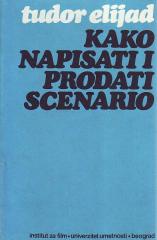
Tudor Eliads Praxis-Handbuch aus dem Jahr 1982 bietet detaillierte Richtlinien zu Aufbau, dramaturgischen Elementen und Verfassen eines Drehbuchs sowie zu den professionellen Schritten für dessen erfolgreichen Verkauf und die Produktion.
Ein Leitfaden für Mädchen zum Hollywood-Glamour. Glamour bedeutet nicht nur die richtige Handtasche zu haben – es geht um die richtige Persönlichkeit. Die sexiesten Frauen der Welt waren innerlich genauso attraktiv wie äußerlich.
Die künstlerische Kreativität dieses berühmten schwedischen Regisseurs, die sich vor allem durch seinen filmischen Ausdruck auszeichnet, erinnerte uns bei dieser Ausgabe auch an die schriftstellerischen Neigungen des Autors.
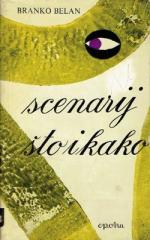
Das Buch ist Teil der Filmbibliothek (Buch 1) und enthält die theoretischen Grundlagen der Drehbucharbeit. Es betont, dass Film eine besondere Kunstform ist und der Drehbuchautor ein Kultur- und Sozialarbeiter.