
Hrvatski enciklopedijski rječnik : A-Bez
Dimensions
20.5 x 13.5 cm
Pages
296
Publisher
Novi Liber, Zagreb, 2004.
Latin alphabet. Hardcover.
Language: Croatian.
One copy is available
Condition:Unused
Added to cart!
One copy is available
Are you interested in another book? You can search the offer using our search engine or browse books by category.
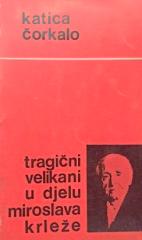
Katica Čorkalo’s 1978 literary-historical study analyzes the tragic fates and dramatic dimension of key characters and major figures in the rich body of work of Miroslav Krleža.
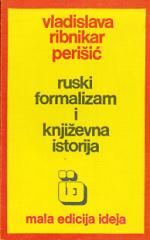
The study analyzes the contribution of Russian Formalism to literary history, exploring the evolution of literary forms, the succession of movements, the theory of literary development, and the specific methodology of the formal approach.
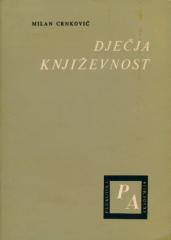
Milan Crnković’s handbook is a seminal work in the study of children’s literature. It provides a systematic theoretical and historical overview, a genre classification, and aesthetic criteria for the analysis of literary works.
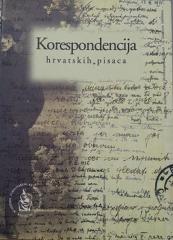
The extensive material compiled by Academician Tomislav Sabljak (2002) offers exceptional insight into the private and professional correspondence of key Croatian writers, revealing literary, political, and personal dynamics.
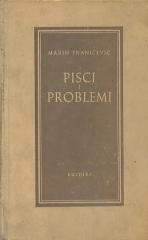
The first post-war book of literary criticism in Croatian literature (1948). From a socialist-realist perspective, Franičević analyzes contemporary writers, issues concerning lyric poetry, and the political role of literary art.
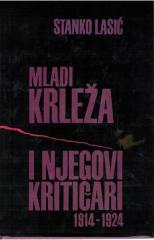
Lasić's study uses the method of ontological structuralism to analyze Krleža's early oeuvre (1914–1924) and critical reactions, revealing the tension between aesthetic autonomy and ideological engagement.