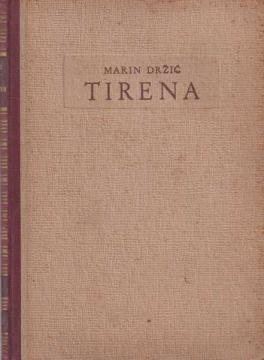
Tirena
Pastoralna drama (komedija) u pet činova, pisana dvostruko rimovanim dvanaestercima (s osmercima u lirskim dijelovima), najstarija sačuvana Držićeva drama (praizvedba 1548. u Dubrovniku, tiskana 1551. u Veneciji).
Djelo predstavlja vrhunac i temelj hrvatske renesansne pastorale. Kao inovativna sinteza klasične pastirske idile (po uzoru na Sannazara i talijanske ekloge) i rustikalnih elemenata (pučki seljaci, humor, folklor), uvodi suprotstavljanje idealnog (mitološko-vilinskog) i realnog (seljačkog) svijeta u jednom djelu – postupak koji je bio žanrovski nov i utjecao na kasniju europsku pastoralu (usp. Shakespeareova San ljetne noći).
Tirena označava Držićev ulazak u dubrovačku književnu elitu: napisana po željama suvremenih pjesnika, utvrdila mu je status ozbiljnog autora dostojna društva vlastelinskog kruga. Posvećena Maru Makulji Puciću, služi kao programatski tekst – obrana od kritičara i dokaz pjesničkog umijeća.
U povijesti hrvatske književnosti Tirena je ključna: označava prijelaz od petrarkističke lirike i jednostavnih ekloga prema složenijoj drami, uvodi realističnu komiku u idilični žanr, spaja mitologiju, neoplatonizam i dubrovački folklor. Prethodi Držićevim remek-djelima u prozi (Dundo Maroje, Skup), pokazujući njegov razvoj od stihovane pastorale prema realističkoj komediji karaktera.
Kao najraniji primjer razvijene hrvatske pastoralne drame, Tirena potvrđuje Držića kao najvećeg hrvatskog renesansnog dramatičara: inovatora koji je pastoralu obogatio univerzalnim temama (ljubav, ljepota, sukob ideala i stvarnosti) i učinio je živom, kazališno atraktivnom formom s plesom, moreškom i tancom.
One copy is available