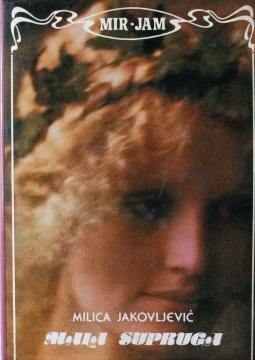
Mala supruga
Doctor Branko marries a young woman from the village, Đurđica, for money, even though he is in love with Nada. The marriage of convenience develops into an emotional drama in which love, duty, and personal gain clash.
The novel Mala sugruva by Milica Jakovljević Mir-Jam tells a dramatic story of an arranged marriage, a love triangle, and the moral dilemmas of Serbian civil society on the eve of World War II. The plot centers on a prominent doctor, Branko, who, wanting to help his brother get out of financial trouble, agrees to marry a young and wealthy village girl, Đurđica. Although he marries her for her dowry, Branko does not break off his long-standing relationship with his mistress Nada, believing that he will succeed in leading a double life.
Đurđica enters the marriage with the sincere belief that she has found a man with whom she will create a happy family. Uncorrupted, sensitive, and raised in a patriarchal environment, she gradually discovers that her husband is hiding the truth and that their relationship is built on deceit and self-interest. As Branko's lies pile up and Nada refuses to give up on their relationship, the tension between the characters escalates into a deep emotional and moral crisis.
Through the fates of Branko, Đurđica and Nada, Mir-Jam explores the conflict between love and material interests, the difference between rural and urban environments, and the position of women in a society that expects unconditional loyalty from them. The novel is characterized by psychologically convincing characters, the gradual development of relationships and a critical portrayal of civic morality. Behind the love plot lies a story of maturation, responsibility and the consequences of selfish decisions, which is why The Little Wife belongs to the more mature and socially engaged works of Mir-Jam's oeuvre.
One copy is available
- The cover is missing