Anka Brazilijanka / Francek Drugi Hrabri
Two of Lovrak’s stories tell of children facing life’s challenges: Anka, an abandoned girl, finds warmth and a new home, while Francek learns about courage and togetherness through the adventures of a school trip.
The book Anka Brazilijanka / Francek Drugi Hrabri presents two children's novels by Mato Lovrak that embody the key characteristics of his work: a realistic portrayal of children's lives, adventure, and social sensitivity, alongside an emphasis on friendship, kindness, and a sense of community.
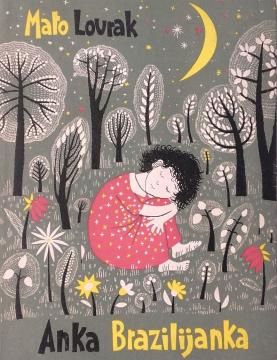
Anka Brazilijanka (1939) is a touching story about Anka, a seven-year-old girl who was found abandoned as a small child and raised in an orphanage. Although taken in by a wealthy woman, Anka fails to find true parental love in her new home. Her life changes when she meets a brickyard worker—a man who has endured a hard life and even worked as a seasonal laborer in Brazil. A bond of affection and trust gradually develops between the lonely girl and the man whom life has treated harshly. In the end, Anka’s kindness brings her what she longed for most: a real home and a family.
Francek Drugi Hrabri (1938) tells the story of a seven-day school trip during which a teacher takes his first-grade students from Zagreb to Veliki Grđevac. Stepping outside their usual school and urban environment brings the children a series of new experiences, adventures, and challenges. At the center of the story is Francek, a boy whose character and courage are revealed through their shared experiences.
In both works, Lovrak places his young protagonists in situations where they must demonstrate independence, resourcefulness, and consideration for others. At the same time, it addresses social disparities and the position of children in the adult world, emphasizing the value of kindness, solidarity, friendship, and a sense of belonging to a community.
One copy is available