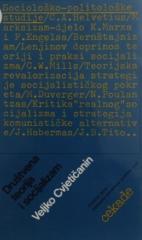
Nedelja marksističkih rasprava 1985.: istoriografija, marksizam i obrazovanje
No copies available
The last copy was sold recently.
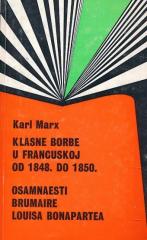
No copies available
The last copy was sold recently.
Are you interested in another book? You can search the offer using our search engine or browse books by category.
A Marxist analysis of the revolutionary events in France from the February Revolution of 1848 to 1850. Marx explains the economic-class conflicts that led to the establishment of the dictatorship of the bourgeoisie.
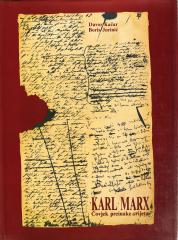
Karl Marx - The Man Who Changed the World (1983) by Davor Kačar and Boris Jurinić is a study of the life and work of Karl Marx. It explores his philosophy, economic theory, and influence on world history through Marxism, with illustrations and documents.
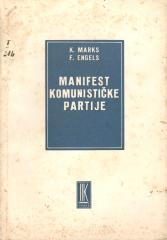
Marx and Engels’s foundational political text examines class struggle, capitalism and the working class, combining social criticism with a programme for revolutionary change.
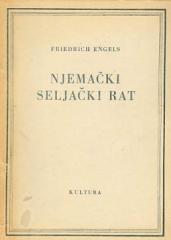
For Engels, the Peasants' War was the first major class conflict in German history and a forerunner of later revolutionary struggles. He sees in it important lessons about the role of class, leadership and ideology in revolutionary movements.
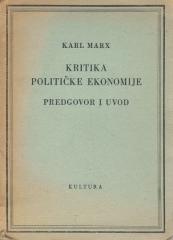
Preface and Introduction Marx's Critique of Political Economy summarizes historical materialism: society develops through production relations, and the economic base determines the political and cultural superstructure.
The book represents a serious theoretical contribution to the understanding of the relationship between modern social theory and socialist practice, with a special focus on the Yugoslav self-governing society.