Discounted books
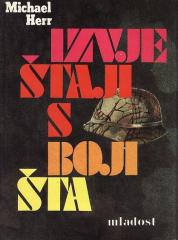
Izvještaji s bojišta
A book written by American journalist Michael Herr and considered one of the most influential works on the Vietnam War. First published in 1977, it is based on Herr's experiences as a war correspondent during the Vietnam War.
Izvori za istoriju Komunističke partije Jugoslavije (1919-1941)

Jack i Amy
What will happen when Jack meets Amy? Jack is twenty-seven years old and lives with his best friend in a converted pub. Amy hasn't slept with a boyfriend in six months.
Jarčeva obratnica

Tropic of Capricorn is another legendary erotic novel by Henry Miller, published in 1938. Due to the inserted philosophy, it is somewhat difficult to understand. In this work, Henry is in Paris, but he actually remembers his childhood in New York.

Javno zdravstvo u Osijeku - osamdeset godina : od Epidemiološkog zavoda do Zavoda za javno zdravstvo Osječko-baranjske županije 1925.-2005.
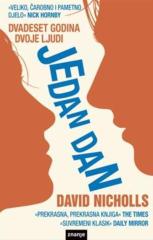
Jedan dan
Emma and Dexter spend the night after their graduation on July 15, 1988. Over the next twenty years, we follow their lives, their ups, downs, and their complex relationship, always on the same date, revealing the true nature of their relationship.
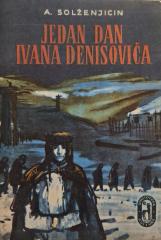
Jedan dan Ivana Denisoviča
The plot follows a day in the life of the title character; a prisoner sentenced to 10 years in a gulag somewhere in the Asian part of the Soviet Union in 1951.
