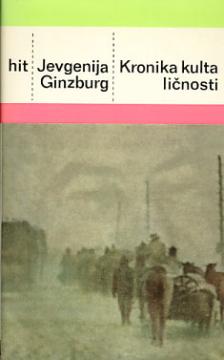
Kronika kulta ličnosti
„Hronika kulta ličnosti“ Jevgenije Ginzburg je memoarska knjiga o staljinističkim čistkama. Autorka opisuje sopstveno hapšenje, zatvaranje i godine provedene u logorima, svedočeći o represiji sovjetskog režima.
Hronika kulta ličnosti (često se prevodi kao Strma staza) je autobiografsko delo ruske spisateljice i novinarke Jevgenije Ginzburg, jedno od najpotresnijih svedočanstava o staljinističkim progonima tridesetih i četrdesetih godina 20. veka. Knjiga je zasnovana na ličnom iskustvu autorke nakon što je optužena za učešće u navodnoj trockističkoj zaveri 1937. godine, tokom Velike čistke.
U vreme hapšenja, Ginzburg je bila predavač i odan član Komunističke partije. Uverenje da je nevina u početku joj daje snagu, ali se tokom ispitivanja suočava sa sistemom koji ne traži istinu već priznanje. Posle isceniranog suđenja osuđena je na dugogodišnji zatvor i deportaciju u logore na Kolima, jednom od najsurovijih područja sovjetskog Gulaga.
Autor detaljno opisuje zatvorske ćelije, beskrajna ispitivanja, prevoz zatvorenika, glad, bolesti i prinudni rad. Posebnu pažnju posvećuje ljudima koje sreće: političkim zatvorenicima, intelektualcima, običnim radnicima i ženama koje pokušavaju da sačuvaju svoje dostojanstvo uprkos nehumanim uslovima. Među njima se stvaraju prijateljstva i oblici solidarnosti koji pomažu da se preživi.
Delo nije samo hronika stradanja već i analiza mehanizama totalitarnog sistema. Ginzburg pokazuje kako strah, propaganda i kult ličnosti mogu da unište pravdu, poverenje i ljudske živote. Istovremeno, istražuje pitanje moralne snage pojedinca pred nepravdom.
Zbog svoje dokumentarne vrednosti, poštenja i literarne moći, Hronika kulta ličnosti smatra se jednim od najznačajnijih memoarskih dela o sovjetskim logorima i neizostavnim svedočanstvom o periodu staljinizma.
One copy is available
- Mrlje na poklopcu
- Nedostaje omot