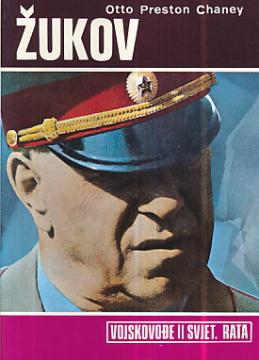
Žukov – maršal Sovjetskog Saveza
One copy is available
- The cover is missing

One copy is available
Are you interested in another book? You can search the offer using our search engine or browse books by category.
The book analyzes how conflicting historical narratives about the suffering and mass emigration of Italians from Istria and Rijeka developed in Croatia and Italy after World War II (1943–1956), debunking myths and encouraging an empathetic approach to the
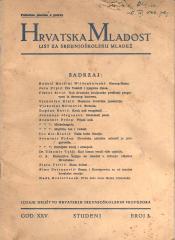
"Hrvatska mladost" — a magazine for high school youth, year XXV, issue 3, one of the first issues published in the Independent State of Croatia, when the magazine became intended for high school students as part of Ustasha propaganda and youth education.
The book analyzes the escape of Nazi war criminals after 1945 and the long and uneven attempt to find and prosecute them, while debunking myths about the organized escape.
A book that has achieved extraordinary success. The reader cannot put it down until he has read it to the end. As if in a film, vividly and dynamically, the most dramatic events of World War II unfold before the reader's eyes.
The generation to which Konstantinović belonged managed to reach an agreement and, had it not been for the Second World War, was on the threshold of establishing liberal democracy in Yugoslavia, whose supporter Konstantinović was.
Academician Ljubo Boban, in his work Croatia in the Archives of the Government in Exile 1941–1943, brings together a collection of diplomatic reports from various European and international representative offices of the Yugoslav government in exile during