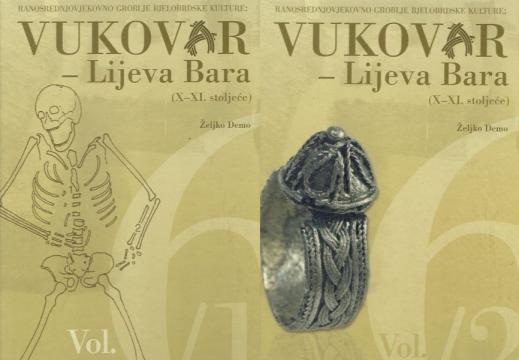
Vukovar – Lijeva Bara (X-XI. stoljeće): Ranosrednjovjekovno groblje bjelobrdske kulture I-II
Rare book

Vukovar – Lijeva Bara (X-XI. stoljeće): Ranosrednjovjekovno groblje bjelobrdske kulture I-II

Željko Demo

The monograph includes, in addition to numerous pictures in the text, a plan of the cemetery, 434 drawings and 350 photographs of skeletons and 191 drawings of grave finds, more than 100 tabular representations and more than 50 typological drawings and ma

The monograph "Early Medieval Cemetery of Bjelobrd culture: Vukovar - Lijeva Bara (10th-11th century)" was published as the sixth publication within the Catalogi et Monographiae edition of the Archaeological Museum in Zagreb, in two volumes. dr. sc. Željko Demo, museum advisor and manager of the Medieval Collection of the Archaeological Museum in Zagreb, is the author of the exhibition 'Vukovar – Lijeva Bara: the history of an archaeological site (traces, research, signs)', set up at the beginning of 1996 in the Archaeological Museum in Zagreb, which, according to in the words of Ante Rendić-Miočević in the Introduction of the Monograph, served as a kind of announcement for the future more thorough scientific valorization of the investigated locality. The results of the analysis were published in 2009 in this extensive and detailed publication. The first part includes the Introduction and the Preface and the chapter Site and Excavation of the Early Medieval Cemetery and the Catalogue. The second part of the monograph begins with the chapter Grave rites, which describes the surface markings of graves, grave pits/pits (shape, measurement data, depths, arrangement), position of the deceased (general information, position of the forearms, orientation), graves with two or more deceased (double burials/graves), superpositioned geobos, destroyed graves (deliberate disturbance of the deceased's body), burial of horses or horse bones, and funerary customs and beliefs (found in a non-functional position). This is followed by the chapter Objects of the grave inventory (objects of daily use, objects for hunting and fishing, objects of toiletries, weapons and combat equipment, jewelry, objects of a cult character and objects of unknown purpose). The fifth chapter includes other finds (objects of previous cultural periods). Each of the listed categories is additionally typologically divided into specific sets of findings. The last chapter refers to the cultural and historical circumstances of the creation and ownership of the cemetery. Following are: List of subjects, List of appendices, pictures, tables and charts, and Bibliography. At the very end, there are boards in color with descriptions of the locality, aerial photographs, photographs of sketches, records and findings.

Translation
Barbara Smith-Demo
Editor
Vesna Herak
Illustrations
Željko Demo, Nenad Kobasić, Igor Krajcar, Jakov Pavelić, Anđelika Fortuna Saje, Miljenka Galić, Slavko Šohaj
Graphics design
Vanja Zadravec Smetko
Dimensions
33.5 x 24 cm
Pages total
650
Publisher
Arheološki muzej, Zagreb, 2009.
 
Distribution: 500 copies
 
Latin alphabet. Hardcover.
Language: Croatian.
ISBN
978-9-53678-932-0

The book consists of two volumes.

Jedan višetomni primjerak je u ponudi.

Vukovar – Lijeva Bara (X-XI. stoljeće): Ranosrednjovjekovno groblje bjelobrdske kulture I-II
Volume 1
Pages: 385
Condition:Unused
Vukovar – Lijeva Bara (X-XI. stoljeće): Ranosrednjovjekovno groblje bjelobrdske kulture I-II
Volume 2
Pages: 265
Condition:Unused
 

Are you interested in another book? You can search the offer using our search engine or browse books by category.

You may also be interested in these titles

Neolit i eneolit u Slavoniji

Neolit i eneolit u Slavoniji

Stojan Dimitrijević, Bogdan Brukner, Nikola Tasić, Vladimir Mirosavljević

The proceedings of the Symposium "Neolithic and Eneolithic in Slavonia", held in Vukovar on 4–5 June 1966, bring together contributions on Neolithic and Eneolithic cultures, material finds and regional connections.

Gradski muzej Vukovar, 1969.
Croatian. Latin alphabet. Paperback with dust jacket.
13.54
Pripovidam pripovićku

Pripovidam pripovićku

Filip Golubov-Car

A collection of authentic Baranja tales and folk songs. Through dialect, humor, and warm images of everyday life, the author preserves the spirit of Baranja, its people, customs, and rich oral tradition.

KUD Baranjski Šokci, 2023.
Croatian. Latin alphabet. Hardcover.
8.74
Vízbe vesző nyomokon: Fejezetek a Dráva-szög történetéből

Vízbe vesző nyomokon: Fejezetek a Dráva-szög történetéből

Júlia Baranyai

A historical and local history book about Baranja from Roman times to modern times, through essays about battles, writers, villages, language and traditions, with black and white photographs.

Forum, 1976.
Hungarian. Latin alphabet. Hardcover with dust jacket.
8.64
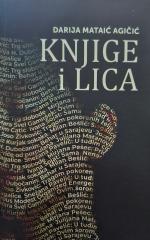
Knjige i lica

Knjige i lica

Darija Mataić Agičić

With her new book, Darija Mataić Agičić affirms and reaffirms a series of literary phenomena and books that are closely connected to Slavonski Brod, personalities who lived in Brod and who actually form a real, but insufficiently known and respected liter

Brodski kulturni krug Pannoniae gloria, 2024.
Croatian. Latin alphabet. Paperback.
4.983.74
Tragom prošlosti Broda

Tragom prošlosti Broda

Vladimir Rem

A local feuilleton chronicle of Slavonski Brod from Roman times (Marsunija), through Turkish rule, the Military Border and the fortress to the 19th/20th century. A warm, nostalgic account of the history, customs and sights of the town.

Vlastita naklada, 1965.
Croatian. Latin alphabet. Paperback.
6.72
Crtice iz slavonske povijesti s osobitim obzirom na prošlost županija: Križevačke, Virovitičke, Požeške, Cisdravske baranjske, Vukovske i Srijemske, te Kr. i slob. grada Osijeka u srednjem i novom vijeku

Crtice iz slavonske povijesti s osobitim obzirom na prošlost županija: Križevačke, Virovitičke, Požeške, Cisdravske baranjske, Vukovske i Srijemske, te Kr. i slob. grada Osijeka u srednjem i novom vijeku

Josip Bösendorfer

In his major work from 1910, Josip Bösendorfer provides an overview of Slavonian history with an emphasis on the past of the counties (Križevci, Virovitica, Požega, Baranja, Vukovo, Srijem) and the city of Osijek in the Middle Ages and the modern era.

Naklada Radoslava Bačića, 1910.
Croatian. Latin alphabet. Hardcover.
86.42