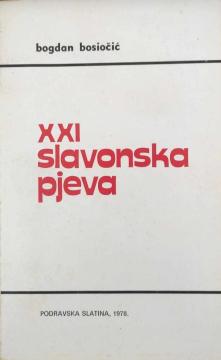
XXI slavonska pjeva
One copy is available
- Stains on cover
- Slight damage to the cover

One copy is available
Are you interested in another book? You can search the offer using our search engine or browse books by category.
Josip Mihaljević's book analyzes the relationship between the government and the individual in communist Croatia (1958–1972), through repressive mechanisms, ideological pressures, and restrictions on personal freedom in the socialist system.
A local feuilleton chronicle of Slavonski Brod from Roman times (Marsunija), through Turkish rule, the Military Border and the fortress to the 19th/20th century. A warm, nostalgic account of the history, customs and sights of the town.
The book collects short biographies of thirty Croatians who, through their work in various fields of science, art and society, have made a contribution to European history.
The Valpovo labor camp (1945–1946) was the largest camp for Volksdeutschers in Croatia after World War II. About 4,000 Germans and Austrians were interned; at least 1,074 died, mostly from hunger, disease, and exhausting labor.
The book by Zagreb travel writer and professor Juraj Bubalo is a kind of encyclopedia of Croatian travelers and explorers. Unique in Croatian non-fiction, it popularizes the culture of exploration and reminds us that Croats have been part of global discov
In Glavaš – Chronicle of a Destruction, Drago Hedl reveals the rise and fall of Branimir Glavaš, through a story of power, crime, and moral decline in post-war Slavonia. The documentary research turns into a poignant chronicle of our society.